

Superbet Registration Process: Nigerian User Guide
📝Learn all about the Superbet registration process in Nigeria! Get step-by-step instructions, verify your account, fix common sign-up issues, and stay safe while betting.🎯
Edited By
Benjamin Clark
Casinos in Nigeria have moved from an underground activity to a regulated industry, thanks to the Nigerian Casino Gaming Board (NCGB). Understanding what it means for a casino to be NCGB licensed is essential, especially for players and investors navigating the local gaming scene.
Licensing is not just a formality; it serves as a legal stamp that confirms a casino operates under the laws laid down by the Nigerian government. The NCGB is the regulatory body set up to supervise casinos and ensure they play by the rules.
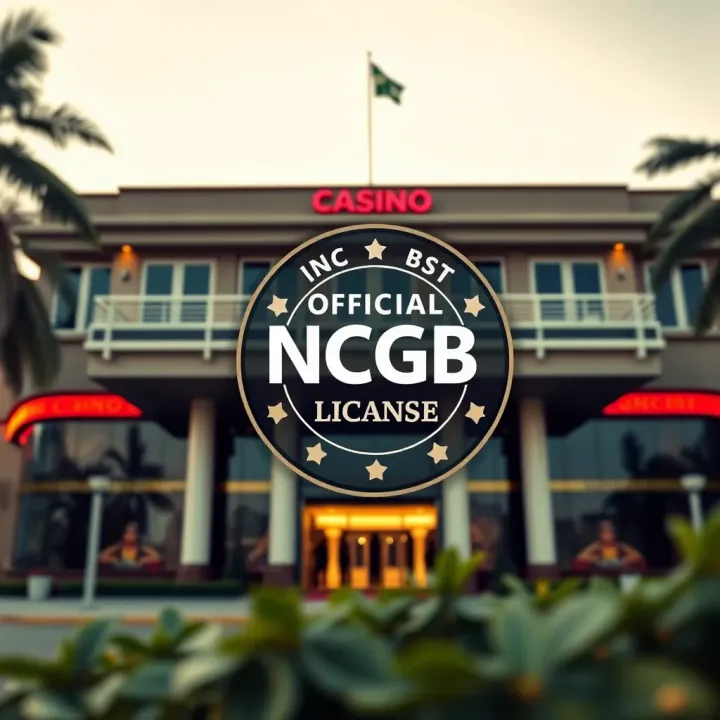
A casino with an NCGB licence guarantees players a safe environment where games are fair, funds are protected, and disputes are handled transparently.
The process to obtain a licence involves meeting several regulatory requirements such as proving financial soundness, transparent ownership, and compliance with anti-money laundering regulations. Casinos must also show their operations will not engage in illegal activities or exploit vulnerable groups.
Licensed casinos in Nigeria are subject to regular audits and inspections. This oversight helps maintain industry standards and protects the public interest. For instance, players can verify a casino’s licence status directly with the NCGB, reducing risks associated with fraudulent operators.
Playing at NCGB licensed casinos also comes with better player protection. Licensed casinos must implement responsible gambling measures, safeguards for minors, and provide clear terms on deposits, withdrawals, and bonuses. This framework helps avoid common pitfalls many Nigerian bettors face with unregulated platforms.
Legal certainty and compliance with Nigerian laws
Fair gaming practices enforced through audits
Secure handling of player funds
Access to official channels for complaint resolution
Support for responsible gambling initiatives
This regulatory model mirrors international standards but is tailored for Nigeria’s unique social and economic context. With the local casino sector still growing, the presence of licensed operators signals trust and professionalism, attracting more users and investors.
The NCGB's role extends beyond licensing. It works to promote growth in the industry by updating policies to meet new challenges, such as the rise of online casinos and fintech-driven payment methods popular with Nigerian players.
In summary, an NCGB licence is more than just a document; it shows a casino’s commitment to operating responsibly within Nigeria’s legal framework. For any bettor or business looking to engage with the Nigerian casino market, prioritising licensed casinos is a practical way to ensure safety, fairness, and peace of mind.
Knowing the role of the Nigerian Casino Gaming Board (NCGB) is vital if you engage with casinos in Nigeria or want to understand how they operate legally. The NCGB oversees licensing, regulation, and enforcement, aiming to ensure casinos run fairly and transparently across the country. This protects both players and operators, minimising risks linked to illegal gambling activities.
The NCGB supervises all casino activities nationwide to maintain standards and reduce unlawful practices. For instance, it inspects casinos regularly to confirm compliance with regulations. This helps to maintain trust among players who know that licensed casinos meet required standards — from machines that aren’t rigged to environments that promote responsible gaming.
To keep the casino sector orderly, the NCGB ensures that all operators follow the Nigerian Gambling Act and other related laws. Casinos must demonstrate transparent operations, like honest payout rates and clear record keeping. This compliance prevents fraud and keeps the industry legitimate, which is essential for attracting not only players but also investors willing to put their money into Nigerian casino businesses.
The NCGB acts as a watchdog to protect players from exploitation or unfair practices. For example, it enforces rules preventing underage gambling and guarantees that player funds are safeguarded. When disputes arise, players have recourse through NCGB-backed mechanisms rather than facing unscrupulous operators directly.
The Nigerian Gambling Act sets out the legal basis for casino operations and gambling activities. It defines what is permitted, outlines penalties for illegal gambling, and establishes authority guidelines for the NCGB. This Act forms the backbone of casino regulation and helps curb underground gambling that thrives outside the law.
While the NCGB operates federally, individual states have a say in regulating casinos within their territories. States may impose additional taxes, zoning rules, or specific requirements. For example, Lagos State might have particular licensing fees or operational conditions differing from Abuja. This interplay means casino operators must navigate both federal and state rules to stay compliant.
The Nigerian government has recently sought to modernise gaming laws to address digital gambling and online casinos more explicitly. Amendments include stricter measures against unlicensed online operators and provisions for digital payment integration. These updates aim to expand regulation beyond physical casinos and protect players in the growing online market, reflecting evolving technology and betting habits.
The NCGB is not just a licensing body but a critical institution ensuring trust, fairness, and legality in the Nigerian casino space. Understanding its role helps players and operators know their rights, responsibilities, and the standards expected.
By grasping how the NCGB functions and the legal framework behind it, Nigerians can better navigate the casino industry — whether they’re placing bets or managing operations — amid a landscape that continues to develop alongside advancing technology and market demand.

The licensing process is the cornerstone of casino regulation in Nigeria. It ensures that casinos operate within legal boundaries and protect players from undue risks. Understanding these steps is vital for anyone interested in the local gaming sector, whether as an investor, operator, or player. The Nigerian Casino Gaming Board (NCGB) enforces strict standards to maintain integrity and transparency.
To qualify for a casino licence, applicants must demonstrate solid financial capacity. This means showing proof of sufficient capital to sustain casino operations and meet financial obligations. For instance, a reputable land-based casino might need to show hundreds of millions of naira in retained earnings or bank guarantees. Beyond finances, technical criteria involve proving the ability to manage and run gaming technology securely, including slot machines, surveillance systems, and random number generators, especially for online platforms.
Security is not just about guards and locks. The NCGB expects casinos to implement robust systems that prevent fraud and protect player data. This includes encryption for payment systems and secure player accounts. Responsible gaming measures require casinos to provide tools to help players manage their betting behaviour. For example, licensed casinos often offer self-exclusion options or deposit limits, helping to reduce problem gambling. These safeguards build trust and ensure a safer environment for all.
The application involves detailed documentation, including business plans, evidence of good character by key personnel, and compliance programmes. Operators must submit documents proving tax registration, environmental impact assessments, and local community engagement. The NCGB reviews these to verify authenticity and readiness. The process encourages thorough preparation — a hurried or incomplete application often leads to rejection or delays.
Applicants must pay fees that reflect the scale and type of their casino. While exact figures vary, land-based casinos pay more due to their larger operational footprint, sometimes reaching several million naira upfront. Online operators generally pay less but may face annual charges based on turnover. These fees support regulatory oversight and help the NCGB maintain quality control.
Licences typically last between one to three years before renewal is due. Renewal requires submission of operational reports and proof of continued compliance with NCGB rules. Casinos that fail to renew on time or do not meet standards risk fines or licence suspension. Consistent renewal ensures operators maintain ongoing commitment to safe, lawful practices.
The licensing process protects you as a player and guarantees that casinos follow important rules. Always check for NCGB licensing before engaging with any casino.
This framework balances the interests of players, government, and operators, safeguarding Nigeria’s casino scene from fraud while encouraging healthy growth.
Licensed casinos operate under a set of strict rules and controls to ensure fair play, security, and legal compliance. For Nigerian players and investors, understanding these operational frameworks helps distinguish reputable casinos from illegal ones. With the growing interest in gambling, especially in urban centres like Lagos and Abuja, transparent and regulated operations build trust and encourage safe participation.
Licensed casinos in Nigeria must follow operational guidelines set by the Nigerian Casino Gaming Board (NCGB). This includes routine compliance checks on business practices, financial transactions, and employee conduct. Casinos undergo frequent audits and on-site inspections to confirm they meet required standards. For example, a licensed casino must implement cash handling procedures that prevent money laundering and regularly report earnings to regulatory authorities. This oversight avoids rogue operations that could exploit players and jeopardise the broader industry.
Ensuring fair play is non-negotiable. Licensed casinos deploy technologies and software certified by NCGB to guarantee random game outcomes and prevent cheating. Surveillance cameras, regular game audits, and secure IT systems protect the integrity of betting and gaming sessions. When playing at a licensed casino, bettors can expect that the odds presented are genuine and that results are not manipulated. These anti-fraud measures are crucial to maintaining the confidence of Nigerian players who risk their hard-earned naira.
Player protection goes beyond fair gaming to securing personal and financial information. Licensed casinos employ encryption and secure payment gateways to safeguard players’ data, whether at a land-based location or online platform. Also, responsible gaming policies are in place to help identify and support players showing signs of gambling addiction, through limits on betting amounts or self-exclusion programs. These protocols reduce the risk of exploitation and promote a safer gambling environment.
Traditional, land-based casinos remain popular in Nigeria’s major cities. These establishments offer table games, slot machines, and sports betting under strict NCGB supervision. Locations like Lagos Island boast casinos that comply with regulatory standards, ensuring players physically visiting these casinos enjoy a safe, secure betting experience. These casinos often partner with hotels and entertainment centres, creating vibrant hubs for leisure and betting.
Digital gaming platforms licensed by the NCGB are increasingly common, responding to Nigeria’s expanding internet access and smartphone use. These platforms allow players to enjoy casino games from their phones or computers, with NCGB licensing ensuring they follow regulatory rules on fair play and data protection. Companies like Bet9ja and 1960Bet operate licensed online casino services, providing users with convenient, secure access to gaming. These platforms help reach a wider audience, including Nigeria’s young and tech-savvy urban professionals.
Licensed operations ensure that both land-based and online casinos adhere to standards that protect players and contribute to Nigeria’s regulated gaming industry. Choosing an NCGB-licensed casino reduces risks, promotes fair play, and grants legal backing in case of disputes.
Through clear operational frameworks and targeted regulations, licensed casinos in Nigeria offer safer and more reliable betting experiences for players across the country.
Playing at casinos licensed by the Nigerian Casino Gaming Board (NCGB) offers concrete advantages for bettors and casino enthusiasts alike. These benefits go beyond just entertainment—they provide practical safeguards to ensure your experience is secure, fair, and backed by legal protections. Understanding this helps you make informed choices while engaging with Nigeria’s growing casino scene.
One key benefit of NCGB licensed casinos is the protection of your personal and financial data. These casinos must follow strict data security standards to prevent breaches and unauthorised access. For example, a licensed online casino will implement encryption technologies to secure your payment details and personal identity information, reducing the risk of fraud or identity theft.
In contrast, unlicensed platforms often lack such safeguards, which can lead to serious financial losses or misuse of your data. On top of that, licensed casinos regularly undergo audits to verify their compliance with security protocols, giving you peace of mind whenever you deposit or withdraw funds.
Licensed casinos are required to operate transparently and ensure fair gameplay. This means their games are tested and certified by independent agencies to prevent rigging or manipulation. For instance, slot machines and card games on licensed platforms must produce random outcomes according to industry standards.
Transparency also extends to clear terms and conditions, including payout rates and bonus policies. This helps you understand your chances and what to expect without falling victim to hidden rules. In effect, playing at an NCGB licensed casino significantly lowers the risk of unfair practices compared to unregulated operators.
One practical upside of dealing with licensed casinos is having a clear path for resolving disputes. Should disagreements arise—whether related to payout delays or account issues—the NCGB acts as a regulator and mediator. You can formally report a complaint, and the board will investigate, pushing for a fair resolution in line with Nigerian gaming laws.
Without this licensing, your chances of resolving conflicts effectively diminish, as unlicensed casinos often ignore players once funds are involved. Having the NCGB’s backing provides an extra layer of accountability for operators.
Licensing also means casinos must uphold your consumer rights. The NCGB enforces rules that protect you against unfair treatment and ensures operators follow responsible gaming practices. For example, licensed casinos must offer self-exclusion options if you wish to limit your play, support responsible marketing, and abstain from exploiting vulnerable players.
If an operator breaches these rules, the NCGB can impose fines, suspend licences, or shut down operations. Such enforcement incentivises casinos to act fairly, protecting you from scams typical of the unlicensed market.
Choosing an NCGB licensed casino doesn’t just add legitimacy—it actively safeguards your money, your data, and your rights as a player in Nigeria’s emerging casino industry.
Understanding the challenges and future prospects of NCGB licensed casinos is vital for anyone interested in Nigeria’s gaming industry. These factors shape how casinos operate, influence player experiences, and determine the sector’s potential growth.
Illicit and unlicensed operations continue to undermine the regulated casino market in Nigeria. Many informal gaming centres operate without NCGB licences, offering no player protection or transparency. These unlicensed venues attract players by avoiding regulatory costs, but they increase risks of fraud and unfair practices. For example, players at unregulated locations have limited recourse if disputes arise, unlike those at licensed casinos where oversight is stronger. This situation makes it difficult for licensed casinos to compete fairly and undermines the government’s revenue from taxation.
Infrastructure and power supply issues pose another significant challenge for casino operators. Frequent power outages across many Nigerian cities force casinos to rely on costly generators, pushing operational expenses higher. This burden often results in increased service charges or limited operating hours, which dampens player experience and profitability. For instance, a land-based casino in Lagos may experience multiple blackouts daily, forcing interruptions in gaming activities. Reliable electricity remains a necessary condition for maintaining smooth casino operations, especially for online platforms requiring stable internet connections.
Digital gaming development offers huge potential for expanding the Nigerian casino market. With Nigeria’s growing internet penetration and smartphone usage, online casinos can reach a wider audience beyond physical locations. Licensed operators can tap into this trend by enhancing mobile-friendly platforms that support various payment options like Paystack, Flutterwave, or OPay. Embracing digital gaming also allows better tracking and regulation compared to street-level gaming parlours. This shift could attract younger tech-savvy Nigerians who prefer playing from home or on the move.
Increased government oversight is expected to improve regulation quality and player protection. Strengthening the NCGB’s capabilities through updated legal frameworks and more frequent compliance checks can help curb illegal operations and enforce fair play standards. Clearer policies on licence issuance and renewal, combined with public awareness campaigns, will support a transparent gambling environment. For example, government partnerships with fintech companies may facilitate easier monitoring of transactions, ensuring that licensed casinos remain accountable and trustworthy.
Tackling these challenges while embracing digital growth and tighter regulation will make NCGB licensed casinos more competitive and safer for Nigerian players.
In summary, while illicit operations and infrastructure problems slow the sector’s progress, advances in digital gaming and stronger government action offer real hope for a thriving, well-regulated casino industry in Nigeria.
📝Learn all about the Superbet registration process in Nigeria! Get step-by-step instructions, verify your account, fix common sign-up issues, and stay safe while betting.🎯

🎯 Explore Mobile Superbet for Nigerian users: easy app installation, secure payments in ₦, live sports betting, top tips, plus challenges to watch out for! 📱⚽

Superbet Mobile.com lets Nigerian bettors wager on football ⚽ and casino fun 🎰 straight from phones. Learn how to register, fund your account₦ securely, & play smart.

Discover how to spot the best Superbet Banker of the Day picks ⚽ and master smart betting strategies 🎯 to boost your chances and manage risks confidently in Nigeria.
Based on 9 reviews