
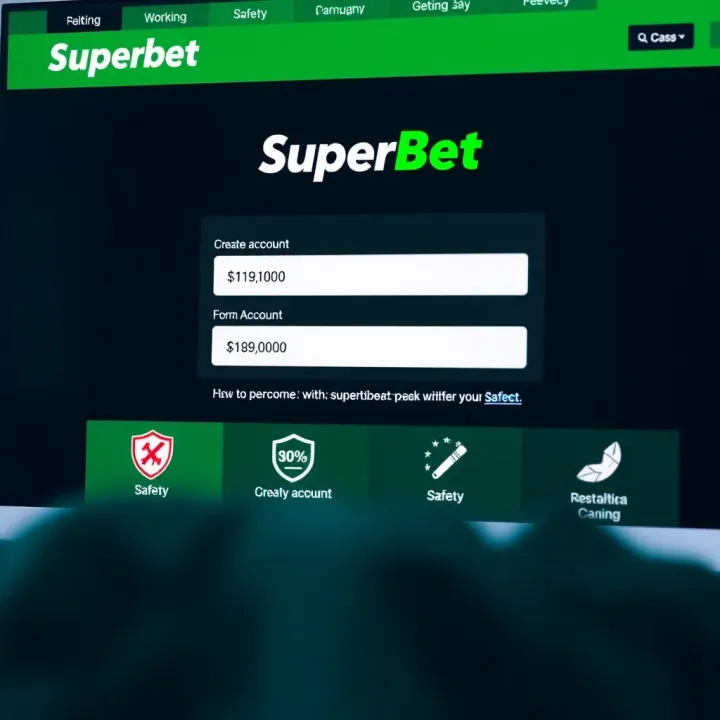
How to Register on Superbet Nigeria: Step-by-Step Guide
Ready to start betting? This guide shows Nigerian users how to register on Superbet 📲 with easy steps, verification tips 🔒, safety advice, and how to avoid common issues.
Edited By
Funke Balogun
The Nigeria national football team, widely known as the Super Eagles, holds a special place in African football history. Since their debut in 1949, the team has grown to become one of the continent's most respected sides. Their journey is marked by moments of glory, tough lessons, and a passionate fan base that spans across Nigeria’s cities and states.
The Super Eagles represent more than just football success; they embody national pride and unity. Over the decades, their exploits on home soil and overseas have brought Nigerians together, whether in Lagos traffic jams or rural markets. Nigerian players like Nwankwo Kanu, Rashidi Yekini, and Jay-Jay Okocha remain household names because of the skill and flair they brought to the pitch.
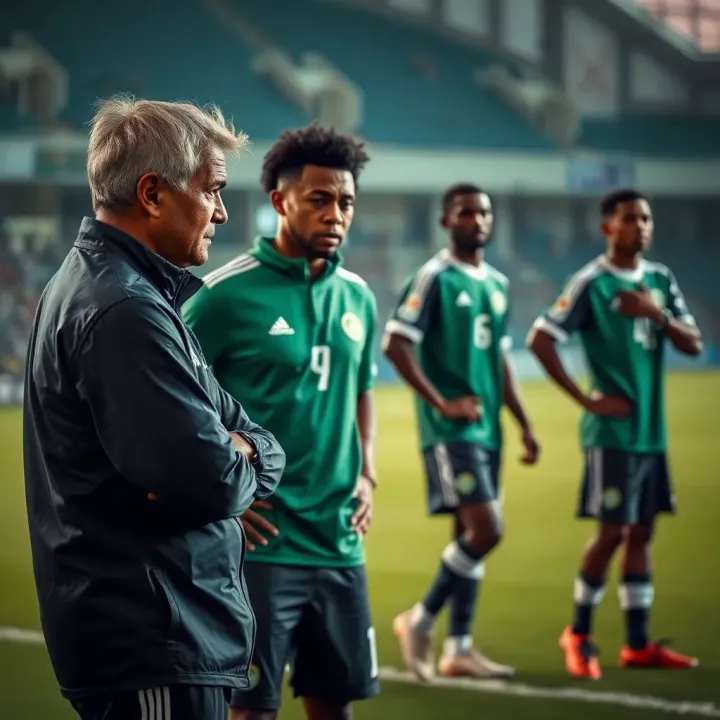
Selecing the Super Eagles
Building such a team hasn’t been without its challenges. Coaching changes and administrative hurdles have occasionally unsettled the squad. However, these episodes highlighted Nigeria's resilience and determination to compete at the highest level in international football.
In terms of accomplishments, Nigeria's track record is impressive. They boast three Africa Cup of Nations (AFCON) titles, four FIFA U-17 World Cup wins—the highest by any nation—and participation in six FIFA World Cups. The 1996 Olympic gold medal, won in Atlanta, stands out as a shining achievement, demonstrating Nigeria’s ability to perform on the global stage.
The Super Eagles are not just a football team; they are a vital part of Nigeria’s cultural fabric, inspiring upcoming generations and uniting diverse peoples through the love of football.
For Nigerian bettors and young professionals who follow football alongside their busy lives, knowing the history and achievements of the Super Eagles adds depth to every game. Understanding their past also helps appreciate current developments and what lies ahead as the team works to reclaim African and global glory.
In this article, we will explore the Super Eagles’ journey, their memorable wins, the stars who defined the team, challenges faced, and prospects in upcoming tournaments. This is essential reading for anyone who cares about Nigerian football or follows international competitions with Nigerian interests in mind.
Understanding the origins and development of the Nigeria national football team sheds light on how the Super Eagles have become a powerhouse in African football. This background is key for anyone looking to appreciate their journey, including fans and professionals in the sports and financial sectors who follow the team’s progress. It highlights the evolution in tactics, management, and player development that continues to influence Nigeria’s football landscape today.
The Nigeria national football team formally came into existence in the mid-20th century during British colonial rule. Initially, football was introduced by colonial administrators and missionaries, becoming popular among Nigerians as both recreation and competition. The team’s establishment responded to growing local enthusiasm and was intended to represent the country in international matches, fostering national identity and unity.
The practical relevance of this formation lies in how it set foundations for football governance and national pride. The early team also became a symbol of Nigerians' ability to compete beyond local borders, which attracted interest from clubs and sponsors, gradually improving the sport’s infrastructure within the country.
Nigeria played its first official international match against Ghana in 1949, marking the entry of the Super Eagles onto the African football scene. These early matches were more than just games; they tested Nigeria’s skill against regional neighbours and helped establish rivalry and camaraderie, important for raising the team’s profile.
International exposure in those formative years provided lessons in professional standards, management, and player discipline. The Super Eagles’ performance abroad affected not only morale at home but also influenced policy around training facilities, funding, and player recruitment, laying groundwork for future success.
Despite enthusiasm, the early Nigeria team faced hurdles like limited funding, poor training facilities, and lack of consistent management. Political instability and inadequate support structures slowed their progress, yet these limitations fostered resilience and innovation among players and coaches.
Growth came from both grassroots initiatives and the involvement of Nigerian expatriates and local clubs. This phase highlighted the need for more systemic support, which eventually drove reforms in national sports administration and increased engagement from private sector partners.
The 1970s and 1980s marked important strides as Nigeria’s football began receiving more structured attention. Successes in regional tournaments and the Africa Cup of Nations during this time helped solidify the team’s stature.
During this period, the introduction of professional coaching and scouting improved player quality. Notably, the team started benefiting from players competing in European leagues, bringing experience and skill back to the national team. These developments attracted government sponsorship and created a more stable platform for football growth.
By the 1990s, Nigeria was firmly among Africa's elite football nations. Winning the Africa Cup of Nations in 1994 and a strong showing at the FIFA World Cup the same year placed the Super Eagles on the global map. This elevation encouraged investment in youth academies and grassroots programmes, ensuring a steady flow of fresh talent.
The 1990s also showcased Nigeria’s ability to harness its diaspora players, who raised the team’s technical level. This era demonstrated the link between systematic development, international exposure, and competitive success — strengths the team continues to build on today.
The origins and development phase offers a blueprint for how Nigeria combined passion, strategic planning, and resilience to evolve from a fledgling team into a dominant football force in Africa.
Establishment drew from colonial-era exposure to football
Early matches shaped international competitive spirit
Growth depended on overcoming financial and structural challenges
The 70s and 80s introduced professionalism and scouting
The 90s solidified continental and global recognition through investment in talent
This foundational background helps explain how the Super Eagles remain a source of national pride and an attractive target for stakeholders in sports betting, finance, and entertainment sectors alike.

The Super Eagles' success in major tournaments highlights Nigeria's status as a powerhouse in African football. Their achievements offer pride to millions, while also influencing local betting markets and sports investments. For professionals in finance and fintech, understanding these milestones helps predict sponsorship deals and market trends linked to the team’s performance.
Nigeria’s record in the Africa Cup of Nations (AFCON) stands as a testament to their continental dominance. The team has won the tournament three times: in 1980, 1994, and 2013. These victories underscore Nigeria's ability to compete consistently against top African nations. For example, the 1994 AFCON win was particularly memorable, marking Nigeria’s rise as a continental giant and bolstering its reputation.
Understanding these title wins is key for enthusiasts and bettors who follow Nigerian football closely. The history of success influences odds and betting behaviours during current and future AFCON editions. It also reflects the effectiveness of the country’s football development programmes that feed the national team with local and diaspora talents.
Rivalries and key matches in AFCON further intensify the stakes. Nigeria’s fierce contests against Ghana, Cameroon, and Egypt have produced some of the most electric matches in African football. These games often draw huge viewership and increased betting activity. A 2010 AFCON quarterfinal between Nigeria and Egypt, for instance, was a nail-biter that is still talked about today. Knowledge of these rivalries offers insights into match psychology, player motivation, and tactical approaches on game day.
Nigeria’s appearances at the FIFA World Cup have significantly raised the country’s international football profile. Since their debut in 1994, Nigeria has qualified for six tournaments, a record for African teams in some periods. The historic 1994 World Cup saw the Super Eagles reach the Round of 16, a milestone that remains a yardstick for Nigerian football.
These appearances are vital when assessing Nigeria’s global impact. For finance and sports tech professionals, World Cup involvement offers a peek into commercial value: ticket sales, merchandise, advertising, and international partnerships. The team’s presence on the world stage boosts the local football economy and can influence exchange rate sentiments tied to sports tourism.
Notable performances and milestones include standout players who caught global attention at the World Cup and boosted scouting activity for Nigerian talent abroad. For example, the 1998 World Cup showcased Jay-Jay Okocha’s skill, raising his profile and contributing to the image of Nigerian football as technically gifted. Such performances increase the country's appeal for endorsements and influencer marketing within and outside Nigeria.
The Super Eagles’ tournament history is more than just records. It’s a keystone for national pride, economic activity, and strategic planning in Nigeria’s football landscape.
Overall, tracking Nigeria’s major achievements offers practical value for anyone interested in the intersection of sports, business, and culture, especially at moments when the team prepares for key continental and global competitions.
The Super Eagles have been shaped significantly by their players, whose skills, leadership, and dedication have left lasting marks on Nigerian football. Understanding these prominent figures helps us appreciate how their contributions influenced the team's identity and successes over time. This section highlights key legends and current stars who continue to drive the team's performance both locally and internationally.
Rashidi Yekini remains a towering figure in Nigerian football history. As the country's all-time top scorer, his iconic goal at the 1994 FIFA World Cup symbolised Nigeria's arrival on the global stage. Yekini’s knack for finishing and fearless approach inspired many young players and helped the team clinch the 1994 Africa Cup of Nations (AFCON) title. Not far behind, Jay-Jay Okocha brought flair and creativity that made Nigerian football exciting to watch. His deft dribbling and set-piece skills electrified fans at home and abroad, especially during his stints in the Bundesliga and the English Premier League.
These players did more than score goals; they created a winning mentality and set standards for professionalism. Their legacy continues to influence the nurturing of young talents who aspire to match their achievements.
While attackers often grab headlines, Nigeria's defenders and goalkeepers have been just as critical to the team's achievements. Players like Nwankwo Kanu, who doubled as forward and defensive midfielder, and Celestine Babayaro contributed significantly during their time. Goalkeepers such as Peter Rufai and Vincent Enyeama became reliable last lines of defence, known for their agility and composure under pressure.
Their solid performances in tense situations helped Nigeria secure vital wins and build confidence. These roles emphasise that a balanced team needs dependable defenders and goalkeepers to complement attacking talents, especially during continental tournaments and World Cup qualifiers.
Nigeria’s current crop includes a mix of seasoned internationals and promising youngsters making waves in both local leagues and top European clubs. For instance, players like Victor Osimhen, playing for Napoli, have brought pace and goal-scoring prowess to recent squads. Domestically, talents who shine in the Nigeria Professional Football League (NPFL) also feed into the national setup, showcasing raw skills and determination.
This blend is crucial for maintaining competitiveness. Continual scouting and integrating these rising stars ensure the Super Eagles remain relevant at major competitions such as the AFCON and FIFA World Cup.
Strong leadership within the squad has been invaluable, with figures like Ahmed Musa and Wilfred Ndidi taking central roles. Their experience, both on and off the pitch, helps younger players adapt and stay focused amid the pressures of international games. Leadership extends beyond captaincy, reflecting in how players communicate, motivate each other, and uphold discipline.
A cohesive team with influential leaders often performs better, especially under challenging circumstances, underscoring leadership's role in the Super Eagles' ongoing success.
In summary, Nigeria's football story is deeply intertwined with the impact of its players — from celebrated legends to current provocateurs shaping future triumphs. Keeping track of these personalities offers insights into the team's past glories and future possibilities.
Coaching and the evolution of tactics have shaped the Super Eagles throughout their history. Effective coaching goes beyond managing players; it determines how the team adapts to new challenges, optimises performance, and expresses a unique playing style. Understanding this aspect reveals how Nigeria's international standing in football has fluctuated and why the team continues to seek fresh approaches.
Influential Nigerian Coaches have significantly impacted the team’s character and success. Coaches like Clemens Westerhof, though foreign, worked closely with local talent to develop homegrown expertise. Among Nigerian coaches, Samson Siasia stood out during his tenure with a focus on youth development, guiding Nigeria’s under-23 squad to Olympic bronze in 2016, which fed talent into the senior team. Similarly, Stephen Keshi made history by winning the Africa Cup of Nations (AFCON) as a coach in 2013, becoming the first Nigerian player and coach to achieve this feat. Nigerian coaches often bring a deep understanding of local football culture and players, fostering unity and discipline on and off the pitch.
Foreign Coaches and Their Contributions have also played vital roles. The likes of Bora Milutinović and Gernot Rohr brought international experience and tactical discipline to the Super Eagles. Milutinović led Nigeria to its first World Cup in 1994, overseeing their quarter-final run—a high point in Nigerian football history. Rohr’s longer tenure involved stabilising team structures and promoting consistency in major tournament appearances. Foreign coaches often introduce modern training methods and different tactical viewpoints, offering fresh perspectives that complement local styles. Their contributions sometimes clash with homegrown approaches, yet they push the team towards global standards.
Adaptations in Playing Style have helped Nigeria stay competitive. Traditionally known for flair and individual skill, the Super Eagles have increasingly incorporated structured defensive organisation and quicker transitions to suit evolving global football trends. Coaches like Keshi championed a balanced style, blending Nigeria's speed and creativity with tactical discipline. This approach contrasts with earlier teams that relied heavily on attacking flair but sometimes exposed defensive weaknesses.
Impact on Performance and Results is clear. Tactical flexibility has allowed Nigeria to adjust to different opponents, whether in AFCON or World Cup contexts. For instance, the defensive solidity shown during Nigeria’s 2013 AFCON triumph was a shift from the free-flowing strategies of the past. Adapting styles led to more consistent performances, reducing vulnerability against stronger teams. However, occasional struggles to maintain this balance have affected qualification campaigns and tournament progression, highlighting the need for clear strategic direction. The ongoing challenge remains to blend Nigerian football’s natural strengths with pragmatic tactics to win crucial matches.
Coaching and tactical evolution have been central to the Super Eagles’ story, influencing how they compete and represent Nigeria on the international stage. Understanding these changes shows why leadership and strategy matter as much as player talent.
Nigerian coaches bring cultural insight and developmental focus to the team.
Foreign coaches contribute global expertise and bring disciplined tactical frameworks.
Tactical shifts have moved Nigeria from relying solely on skill to a more balanced and adaptive approach.
These changes directly impact the team's performance in major continental and global competitions.
This interplay between coaching styles and tactics continues to shape Nigeria’s prospects in football.
The Super Eagles are more than just a football team; they serve as a powerful symbol of national pride and unity in Nigeria. Across the country’s diverse ethnic and cultural landscape, football brings people together, offering a shared passion that transcends regional and religious differences. For instance, during key matches, streets in Lagos, Abuja, and Port Harcourt often empty as citizens gather around TVs or public viewing centres, creating an electrifying atmosphere that lifts the spirit of the nation. This unified support nurtures a sense of belonging and collective identity, especially during major tournaments like the Africa Cup of Nations or the FIFA World Cup.
Moreover, the team’s success impacts Nigeria’s image on the global stage, reinforcing national confidence. When the Super Eagles clinch victories, the celebrations often spill over into workplace chit-chat, social media discussions, and even political speeches, showing how deeply embedded the team is in everyday Nigerian life.
Outside Nigeria, the diaspora community remains a steadfast supporter of the Super Eagles. Millions of Nigerians living in Europe, North America, and other parts of Africa watch matches live, organise local fan clubs, and even host viewing parties during major competitions. This support acts as a cultural link back to Nigeria, sustaining identities for non-residents and strengthening community bonds abroad.
The enthusiastic backing from the diaspora also contributes practical benefits. Financial remittances from Nigerians overseas sometimes help fund grassroots football initiatives and youth academies back home. Furthermore, players with dual nationality often face pressure from diaspora fan bases to commit to Nigeria, boosting the depth and talent pool of the national team.
Despite its popularity, the Super Eagles face persistent funding and infrastructure challenges. While the Nigerian Football Federation (NFF) receives some government allocation and private sponsorships, the amounts rarely match the scale of the team’s ambitions or the size of its fan base. For example, stadiums like the Abuja National Stadium or Teslim Balogun Stadium in Lagos require frequent upgrades to meet international standards, but maintenance budgets remain tight.
Lack of modern training facilities and inadequate welfare for players and staff sometimes affect preparation and morale. Inconsistent funding can also delay payment of player allowances, which occasionally leads to public disputes and distractions. These issues highlight the need for sustainable financial planning and stronger partnerships with businesses and government agencies.
The growing number of talented Nigerian-origin players raised or born abroad presents a unique challenge. Deciding who qualifies to represent Nigeria involves tracking dual citizenship status and convincing players to commit to the Super Eagles over other national teams where they might also be eligible.
This situation demands agile management and strategic communication from the NFF and coaching staff. For instance, securing commitments from players in European leagues often requires clear pathways for inclusion and assurances of career development. Mismanagement or delays in eligibility clearance can result in missed opportunities to strengthen the squad.
Sustaining the Super Eagles’ success depends heavily on investing in youth development and grassroots football. Several academies, such as the Afe Babalola Academy and Pepsi Football Academy, have produced quality players, but nationwide coverage remains patchy, especially in rural areas.
Developing consistent scouting networks and providing coaching education are key strategies currently underway. These efforts aim to identify talents early, improve skill levels, and equip young players for both domestic leagues and international competition. Increasing funding and partnerships with private sector players like GTBank and Access Bank could accelerate this progress.
Looking ahead, the Super Eagles aim to reclaim dominance in the Africa Cup of Nations and improve their standing in the FIFA World Cup. Realistically, the immediate target is to build a squad capable of qualifying consistently and advancing beyond the group stages in world competitions.
This will require balancing experienced players with emerging talent, refining tactical approaches, and ensuring better physical preparation. Attention to detail during qualifiers—like those for the AFCON 2025 and the 2026 World Cup—will be crucial. Success in these tournaments boosts not only morale but also attracts sponsorship and fan engagement, creating a virtuous cycle for Nigerian football.
The Super Eagles remain a potent symbol of national hope, but closing the gap between dreams and reality depends on tackling systemic challenges while nurturing the next generation on and off the pitch.
Ready to start betting? This guide shows Nigerian users how to register on Superbet 📲 with easy steps, verification tips 🔒, safety advice, and how to avoid common issues.
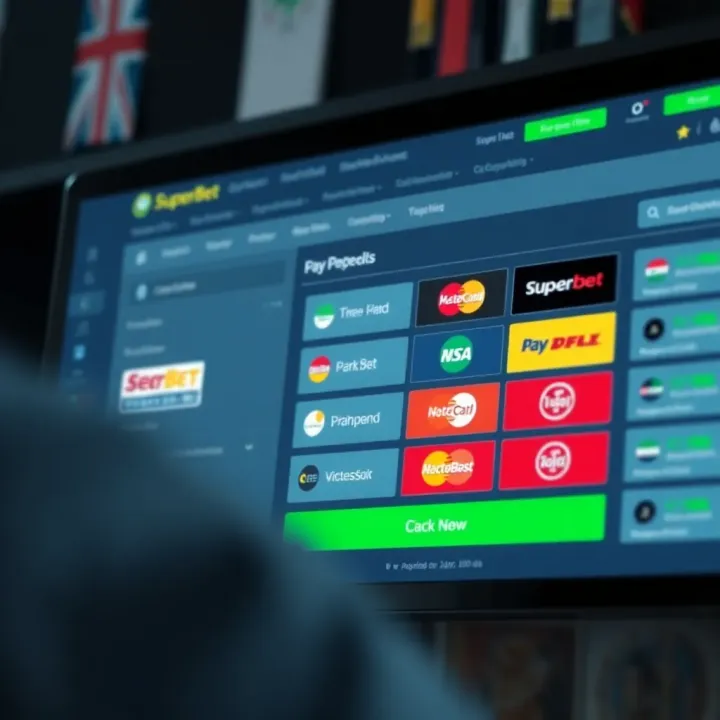
Learn how to easily deposit on SuperBet 🇳🇬. Step-by-step guide on payment methods, setup tips, and avoiding common hiccups while securing your ₦ funds ⚽💰.

🔑 Learn how to register for Superbet Nigeria with our step-by-step guide! From account setup to verification and first deposit, start betting confidently today ₦.
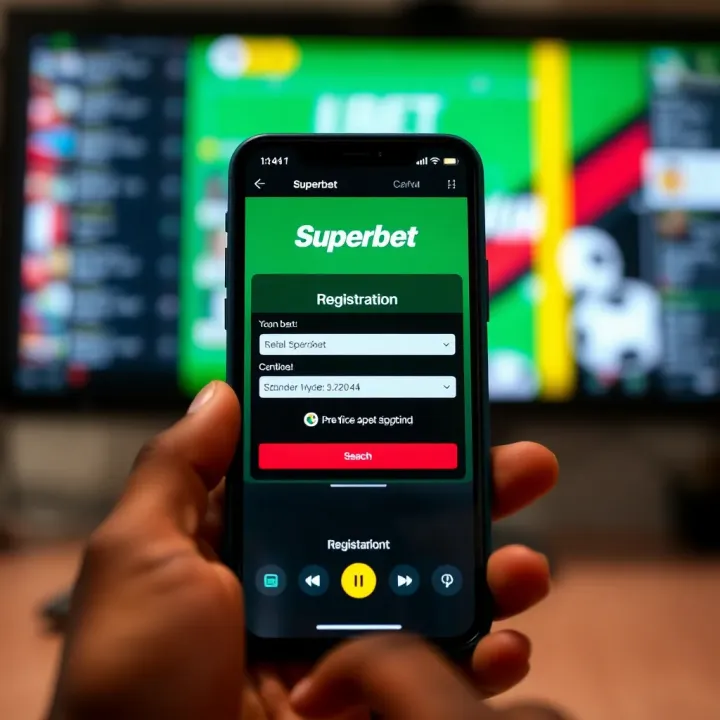
🎯 Want to register on Superbet in Nigeria? Discover step-by-step guidance for signing up, verifying your account, and navigating mobile or desktop platforms safely. 📱💻
Based on 7 reviews