
Superbet Old Mobile Login Guide for Nigerian Users
📱 Need to access Superbet old mobile login in Nigeria? This guide shows easy steps, tips for smooth use, common issues, plus how it stacks against newer versions.
Edited By
Charlotte Davies
The old mobile Superbet shop experience in Nigeria represents a unique chapter in the country's betting culture. Before online platforms became widespread, these mobile Superbet shops served as accessible hubs for sports enthusiasts eager to place bets using just their phones. Unlike traditional betting shops, which required physical visits, the mobile setup brought flexibility, bridging the gap between physical shops and the digital world.
These shops operated primarily through USSD codes and SMS technology. With basic phones dominating the market, many Nigerians could participate without needing smartphones or constant internet access. For instance, a bettor could dial a specific USSD code, select their desired match or event, enter their stake, and receive confirmation — all within a few minutes. This convenience helped spread betting beyond major cities to smaller towns where broadband penetration was still low.
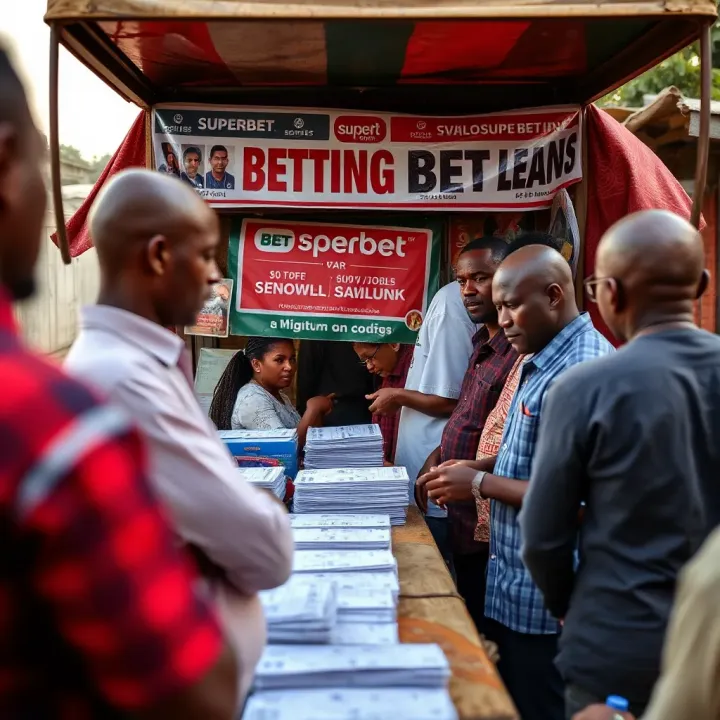
Mobile Superbet shops were crucial in popularising sports betting among Nigerians who lacked internet access or preferred straightforward, phone-based transactions.
Football matches, especially the Nigerian Professional Football League and English Premier League
Accumulator bets combining several match outcomes
Live bets during matches, using helplines or SMS
Local nuances, such as betting during big events like the FIFA World Cup or AFCON, also shaped the experience. The old mobile shops often provided odds tailored to popular local selections, reinforcing community engagement.
Most operators ran on simple platforms connected to licensed betting companies. They had small teams managing day-to-day activities, ensuring payment confirmations, and dealing with cash collections from customers. This setup sometimes posed challenges in security and timely payouts, but it remained popular due to its low entry barriers.
Mobile shops also faced regulatory scrutiny from the National Lottery Regulatory Commission (NLRC). While the government sought transparency and consumer protection, enforcement was spotty, allowing many operators to flourish informally.
In summary, the old mobile Superbet shops offered Nigerians a practical and affordable way to engage in sports betting before smartphones and online platforms took over. Their blend of simplicity and accessibility left a lasting imprint on the betting culture, setting the stage for today's digital ecosystem.
Understanding the background of mobile Superbet shops is key to appreciating how sports betting evolved in Nigeria. These shops have played a crucial role in making betting accessible beyond traditional physical outlets, especially in rural and peri-urban areas where internet penetration and smartphone ownership were limited for a long time. This section traces how the industry grew from fixed locations to mobile formats, and how technology shaped bettor engagement.
Physical sports betting outlets first appeared in major cities like Lagos, Abuja, and Port Harcourt in the early 2000s. These were usually small shops or kiosks in busy commercial areas where people gathered to place bets on football matches and other popular sports. Operators relied on manual ledger books and hand-written slips to manage bets, making the system cumbersome yet effective for that period. The informal nature of many outlets often meant limited regulatory oversight, though they became popular social hubs.
As mobile phone usage became widespread in Nigeria by the late 2000s, betting operators started shifting to mobile formats. Mobile Superbet shops emerged by using mobile phones and basic technology like SMS and USSD to place and record bets. This allowed operators to set up near customers rather than requiring them to come to a fixed shop. It also reduced overhead costs and helped tap into untapped markets in less urbanised areas. A typical mobile Superbet operator could take bets from dozens of customers daily, often moving locations by the streets or markets.
Mobile Superbet shops shaped the local betting culture by being more approachable and familiar than online platforms, especially among lower-income bettors without smartphones or steady internet. They brought community engagement to betting; customers frequently discussed games while queuing or sitting around the operator. These shops also helped nurture local football enthusiasm, with daily betting on Nigerian Premier League matches and international fixtures fuelling both entertainment and income for punters.
Mobile phones served as the backbone for the new betting approach. Operators used simple call and SMS methods to confirm bets, update odds, and communicate results. These transactions were often recorded manually by operators but confirmed through phone messages or verbal communication. This low-tech but effective use of mobile phones helped bridge the gap where smartphones and apps were not yet common.
USSD (Unstructured Supplementary Service Data) codes became popular among betting shops. By dialling a specific code, operators and punters could check betting markets, place bets, or confirm balances using simple menus on feature phones. SMS systems complemented this by sending bet confirmations or transaction alerts. This technology was crucial because it worked reliably on basic phones without internet, making betting widely accessible across Nigeria.
The adoption of mobile and USSD technology drastically improved access to betting for many Nigerians. Even those living far from cities or without smartphones could participate. Mobile Superbet shops became mini-betting centres in communities, linking bettors to national and international sports. In a country where about 70% of people owned basic mobile phones but less than 40% had smartphones by the early 2010s, this technology ensured betting remained inclusive.
Mobile Superbet shops effectively harnessed basic mobile tech to reach millions of Nigerians excluded from early online platforms, shaping sport betting into a grassroots cultural phenomenon.
By understanding this background, readers gain insight into how mobile Superbet shops filled an important niche and paved the way for Nigeria’s current betting landscape rich with digital platforms and apps.
Understanding the functionality of old mobile Superbet shops offers valuable insight into how sports betting evolved in Nigeria before the rise of fully digital platforms. These shops bridged the gap between traditional physical betting outlets and modern online systems, making betting more accessible across urban and semi-urban areas without requiring direct internet access.
Customers typically approached mobile Superbet agents who operated via mobile phones. Instead of visiting a fixed location, bettors found these agents at local spots such as bus stops or markets, making it easier to place bets during daily activities. The interaction was mostly face-to-face, allowing customers to ask questions, get updates on matches, or clarify betting rules. This personal touch was key to building trust, especially in communities new to sports betting.
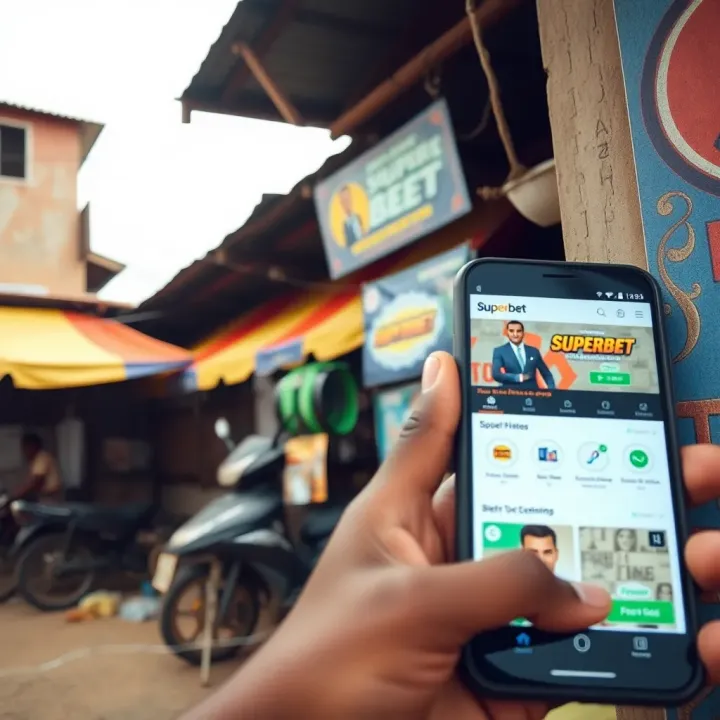
The face-to-face setup also meant agents had to be well-versed in the betting process and current odds. Word of mouth and repeat customers often sustained these operations, relying heavily on agents’ credibility.
Customers conveyed their selected bets verbally or via a simple written note to the agent, who entered the details into a mobile phone system connected to the betting company’s servers. Once the bet was recorded, agents printed or manually issued betting slips as proof. These slips contained details like match information, bet type, odds, and potential winnings.
Issuing physical slips helped reduce disputes and provided customers with a tangible record, unlike purely digital bets that lacked physical confirmation at that time. In many cases, slips served as a receipt when collecting winnings, especially in areas with limited or unstable mobile network coverage.
Payments were usually handled through mobile money platforms such as Paga, OPay, or traditional bank transfers via USSD codes. Agents accepted cash payments on the spot, then credited the betting transactions through their mobile devices. This model suited Nigerians without easy bank access or smartphone data plans.
Given Nigeria’s erratic power supply and limited internet penetration in some regions, reliance on USSD commands and basic mobile phones made betting affordable and convenient. This method expanded access beyond the tech-savvy urban elite, serving many who lack smartphones or reliable internet.
Football dominated the betting markets, with popular leagues from Nigeria, England’s Premier League, La Liga, and the UEFA Champions League. Besides football, bettors could place wagers on basketball, tennis, and local events such as national boxing matches or athletics.
Including both international and indigenous sports gave old mobile Superbet shops appeal to a broad spectrum of bettors, appealing to diverse sports interests while capturing the mainstream football frenzy.
Single bets were straightforward wagers on a single outcome, such as a match result or over/under goals. They attracted casual bettors who preferred simplicity and lower risk. On the other hand, accumulator bets combined several predictions into one ticket, offering higher potential returns but increased risk if even one prediction failed.
Accumulators often appealed to more experienced bettors looking to maximize profits, while singles served daily punters seeking manageable stakes. Keeping both options available helped accommodate different risk appetites.
Agents occasionally offered special bets like first goal scorer, half-time scores, or exact match scores. These markets added variety and excitement beyond standard win/draw/win bets. Promotions such as bonus credits or cashback on certain days helped attract and retain customers.
These special offers fostered loyalty and incentivised larger betting volumes, contributing to the sustainability of mobile Superbet agents in competitive environments.
Old mobile Superbet shops combined personal service with practical use of mobile technology, making sports betting more reachable across Nigeria. Their operation gave bettors straightforward ways to engage with markets they loved, even before widespread internet adoption.
This understanding helps appreciate how the betting culture in Nigeria steadily shifted toward modern, app-based platforms while keeping the spirit of accessibility intact.
Regulatory and security considerations form the backbone of trust and safety in the mobile Superbet shop ecosystem. Without clear rules and safeguards, bettors and operators alike face unnecessary risks. In Nigeria’s context, these factors influence how mobile betting thrives and ensures that both customers' funds and identities remain protected.
Nigeria’s mobile betting activities are governed by a mix of national and state regulations. For instance, the National Lottery Regulatory Commission (NLRC) oversees some aspects of gaming, while states such as Lagos and Ogun often enact additional betting laws that affect local operators. This dual layer means mobile Superbet shops must navigate a patchwork of rules across different jurisdictions, which directly affects where and how they operate.
Licensing is a significant part of this framework. Operators need proper licences from relevant regulatory bodies before conducting betting activities. These licences not only legitimise their business but also set standards for transparency, fair play, and consumer protection. For example, an operator licensed by NLRC must follow specific reporting procedures and adhere to limits on bet sizes, which help keep the betting environment orderly and secure.
Compliance remains a challenge, especially for smaller operators running mobile Superbet shops without robust systems. Some struggle to meet the documentation, audit, or reporting requirements set by regulators. Non-compliance can lead to hefty fines or licence suspension, disrupting services for customers and causing financial strain for operators. Moreover, poor compliance can dampen consumer confidence, which is critical in a market still emerging from informal setups.
Fraud and identity theft have been major headaches in the mobile betting scene. Because transactions often involve remote communication via USSD or SMS, scammers exploit vulnerabilities to impersonate customers or falsify bets. For example, fake betting slips or phone number spoofing led to losses for both operators and bettors in the past. Such incidents highlight why security must go beyond paper regulations.
Operators have introduced several measures to reduce risks. Multi-factor authentication using OTPs (one-time passwords), verification calls, and biometric checks where possible help protect account holders. Some shops also educate customers on recognising phishing attempts or fake agents. These steps, while not foolproof, enhance protection and build bettor trust.
Mobile network operators (MNOs) play a critical role in securing mobile betting. Since USSD and SMS channels run over their networks, MNOs can implement safeguards like SIM card verification and traffic monitoring to detect suspicious betting transactions. Collaboration between MNOs and Superbet operators helps in blocking fraudulent activities early before they escalate. This partnership is especially vital given Nigeria's active mobile subscriber base and the continued prevalence of mobile-driven betting.
Robust regulation and vigilant security practices not only protect players and operators but also ensure the sustainable growth of mobile betting culture in Nigeria.
In sum, understanding the regulatory landscape and security framework is key for anyone involved in or curious about Nigeria’s mobile Superbet shops. These elements make sure all parties play by the rules and that risks are managed properly in what remains a fast-evolving sector.
The contrast between old mobile Superbet shops and modern online betting platforms is vital to understanding how Nigerian sports betting has evolved. This comparison sheds light on shifts in user experience, accessibility, and trust, helping bettors choose platforms that meet their needs today.
Traditional mobile Superbet shops depended heavily on direct human interaction, where a bettor would physically visit a shop or call an agent to place bets. This setup required little technical skill from users but was often limited by the shop's working hours and location. On the other hand, modern online platforms offer intuitive apps and websites accessible 24/7. These digital interfaces feature clear menus, live updates, and quick navigation, making betting simpler even for those less familiar with tech.
Transactions in old mobile shops relied on USSD codes or manual mobile money transfers, which could be slow and prone to delays, especially during peak match times. Placing a bet often took several minutes as agents confirmed details and issued physical bet slips. Nowadays, online platforms process deposits, withdrawals, and bet placements almost instantly, thanks to integrated payment gateways like Paystack and Flutterwave. This speed is crucial during live betting when odds shift rapidly.
Support in traditional Superbet shops was largely face-to-face or via phone calls to agents. This personal touch worked well but was limited by time and staff availability. Modern platforms provide multiple support channels, including live chat, email, and comprehensive FAQs available around the clock. This ensures bettors get quick help without needing to visit a physical location, improving overall convenience.
Old mobile Superbet shops mainly reached customers within their immediate localities, often urban centres or busy markets. Their dependency on physical agents constrained access for people in remote areas. In contrast, online betting platforms break these barriers, letting users from any part of Nigeria participate as long as they have internet access. This wider reach grows the betting audience but also competes with local shops' survival.
Previously, bettors paid through direct mobile money transfers or cash at the shops. This method sometimes involved queueing, cash handling risks, or network restrictions. Online platforms now support diverse payment options—from bank cards and USSD transactions to mobile money wallets, with automatic confirmation and receipt issuance. This convenience eliminates much of the friction in the betting process.
Old mobile Superbet shops often functioned informally, with minimal visible licensing or clear regulatory compliance, raising concerns over fair play and dispute resolution. Today, reputable online platforms operate under the watch of the National Lottery Regulatory Commission or state bodies, providing formal licences and consumer protection policies. This transparency builds bettor confidence but requires ongoing compliance and trust from users.
Understanding these differences helps Nigerian bettors navigate the evolving sports betting landscape, balancing tradition with modern convenience and regulation. The choice between old mobile shops and online platforms hinges on individual priorities like access, speed, and trustworthiness.
Mobile Superbet shops remain a notable fixture in Nigeria's betting scene despite the rapid expansion of online platforms. Understanding the challenges these traditional operators face and their outlook is essential to grasp how they can survive or evolve in a changing landscape. This section explores the practical hurdles such shops encounter and the potential ways they might adapt for future relevance.
Competition with digital platforms has become the foremost challenge for mobile Superbet shops. With the rise of smartphone ownership and affordable internet bundles, many bettors prefer the convenience of apps and websites. Platforms like Bet9ja, NairaBet, and Premier Bet offer quick, seamless transactions right from users’ phones or laptops, reducing foot traffic to physical agents. This shift has pressured traditional operators who rely heavily on in-person interactions and USSD codes, which some younger customers find slow or outdated.
Besides speed and accessibility, digital platforms provide rich features such as live streaming, instant cashouts, and diverse betting options that old mobile shops struggle to match. The consequence is a shrinking customer base, which directly affects the livelihoods of many local agents who depend on commissions.
Infrastructure and network problems also affect traditional mobile Superbet shops severely. Fluctuations in mobile network signals—especially in rural and suburban areas—often lead to delayed transactions or failed bet placements. Nigerians are familiar with spotty service from major network operators like MTN, Glo, Airtel, and 9mobile, which compromises user experience. In busy city centres or during peak hours, networks can become congested, and shops relying solely on USSD codes or SMS betting risk customer frustration.
Power outages further compound this problem. Many operators depend on generators or backup batteries, increasing operational costs. These infrastructural hiccups limit the growth potential of mobile Superbet shops, especially when customers have alternative platforms that require only a stable internet connection.
Customer retention and loyalty present another significant challenge. Traditional shops rely heavily on personal relationships and local trust, but this alone no longer guarantees repeat business. Customers now expect quick responses, transparent bet tracking, and rewards like bonuses and promotions, which app-based platforms provide consistently.
Without robust digital engagement, many shops find it hard to maintain loyal bettors. For instance, a bettor might switch provider if a nearby outlet struggles to retrieve bet results promptly or cannot offer timely-payment of winnings. Retaining customers demands both reliability and service innovation, something absent in many old mobile Superbet models.
Integration with smartphone apps could breathe new life into traditional mobile Superbet shops. Some operators have started collaborating with established online platforms, adopting apps to manage bets more efficiently and reach a broader audience. This hybrid approach allows them to maintain local touchpoints while providing the convenience users expect.
Smartphones are increasingly common across Nigeria, making app integration vital. Operators who develop or partner with apps that allow easy deposits, bet tracking, and instant notifications stand a better chance of keeping up with shifting customer preferences.
Potential regulatory changes may also impact these shops’ future operations. The Nigerian government and relevant authorities like the National Lottery Regulatory Commission are exploring more stringent frameworks for betting businesses, focusing on consumer protection and revenue transparency. New regulations might require shops to adopt digital payment audits and enhanced customer verification, pressuring traditional operators to upgrade their systems or face closure.
Additionally, better regulation could help curb fraudulent practices that sometimes harm both operators and bettors. Clearer rules on licensing and operational conduct should offer a more level playing field for shops that adapt swiftly.
Emerging technology in sports betting promises new opportunities for the sector. Innovations such as Artificial Intelligence (AI) for personalised bet recommendations, blockchain for transparent transactions, and data analytics to improve odds setting are gradually entering Nigeria’s market.
For traditional mobile Superbet shops, leveraging these technologies could differentiate them from purely app-based platforms. For example, an operator might use AI-driven insights to advise local bettors or blockchain-enabled payments to enhance trust. Embracing these tools could turn legacy shops into competitive, hybrid operators in a digital-first era.
Traditional mobile Superbet shops face serious pressure but combining local presence with technology could be their best bet for survival.
By navigating these challenges thoughtfully, mobile Superbet shops in Nigeria can find pathways toward resilience and relevance amid swift industry changes.
📱 Need to access Superbet old mobile login in Nigeria? This guide shows easy steps, tips for smooth use, common issues, plus how it stacks against newer versions.
🕹️ Struggling to access the old SuperBet mobile login in Nigeria? Get clear steps, common fixes, security tips, and smooth alternatives for hassle-free betting now.
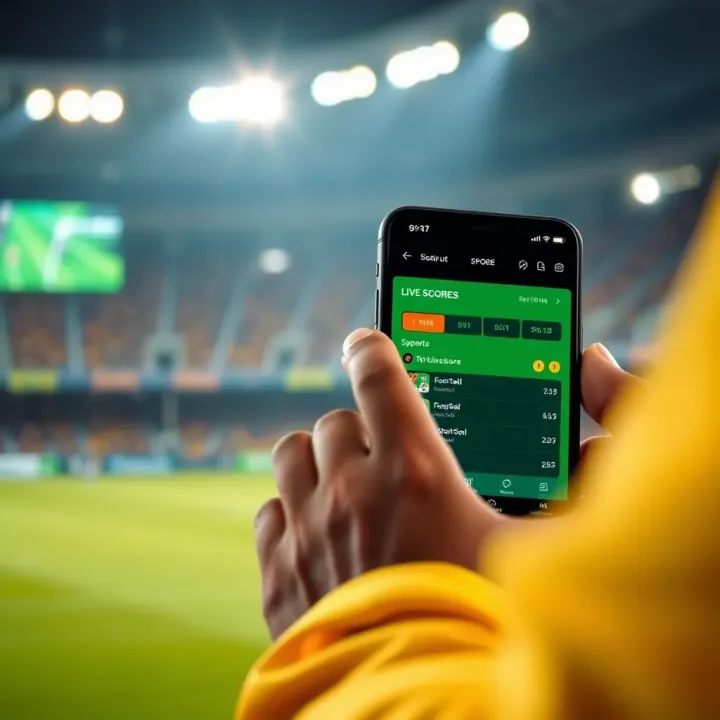
Discover Superbet's shops 🏪, easy-to-use mobile platform 📱, and live score updates ⚽ for smart betting decisions in Nigeria's vibrant sports scene.
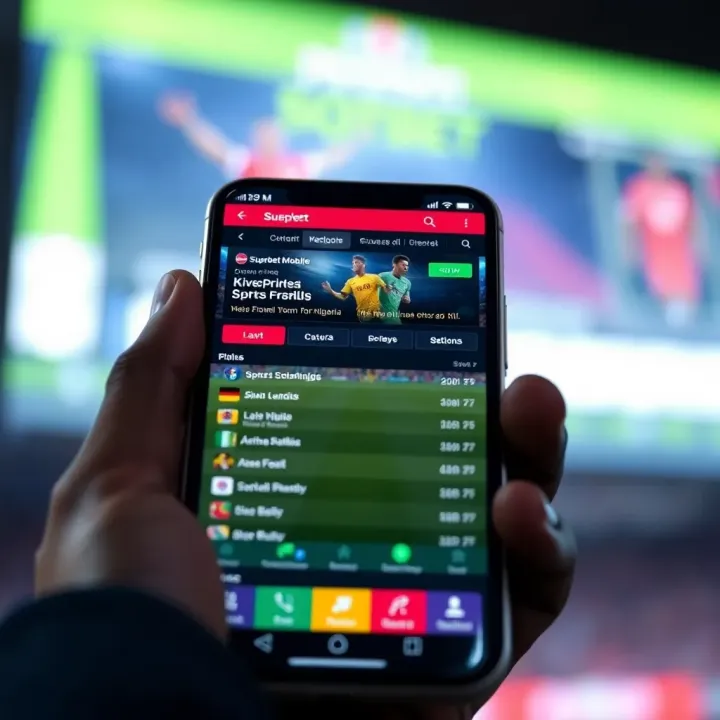
Superbet Mobile.com lets Nigerian bettors wager on football ⚽ and casino fun 🎰 straight from phones. Learn how to register, fund your account₦ securely, & play smart.
Based on 7 reviews