
SuperBet Africa Cup of Nations: Full Overview
Edited By
Fatima Bello
Beginning
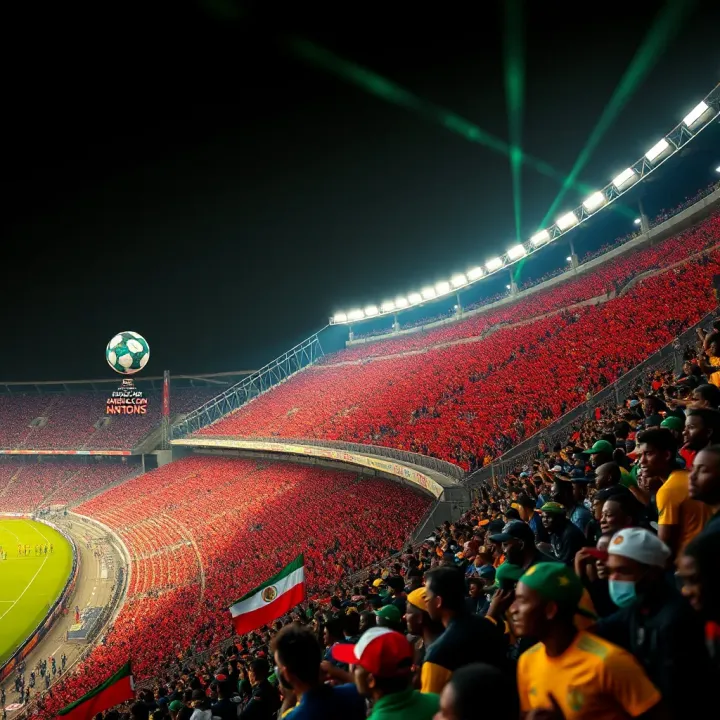
The Africa Cup of Nations (AFCON) remains the flagship football tournament across Africa, attracting millions of fans every two years. Since its inception in 1957, AFCON has grown from a small gathering of three teams to a grand continental showdown with 24 nations competing. This growing platform showcases the best of African football — producing iconic moments, discovering rising stars, and driving national pride.
In recent times, SuperBet has taken a front seat as the tournament's headline sponsor. This partnership not only injects fresh energy into the event but also expands the fan experience beyond the pitch. SuperBet’s involvement includes enhanced broadcasting support, fan engagement activities, and innovative betting options tailored for African markets.
AFCON Tournament Structure
AFCON's format has evolved to promote inclusiveness and competition balance:
Group stage: 24 teams split into six groups of four, playing round-robin matches.
Knockout phase: Top two from each group plus four best third-placed teams advance to round of 16.
Quarter-finals onward: Single elimination matches decide the winner.
This structure ensures fierce competition while giving underdogs a real chance to shine.
SuperBet’s Role in AFCON
SuperBet's sponsorship adds special value to fans in Nigeria and across Africa. Beyond simple branding, they offer interactive betting platforms allowing fans to engage with match outcomes, build parlays, and explore in-play betting options.
Fans using SuperBet enjoy tailored bonuses and promotions connected directly to AFCON fixtures, enhancing thrills with every goal scored.
Since local betting regulations vary, SuperBet ensures compliance while delivering a smooth user experience through mobile apps and USSD codes — crucial for Nigeria’s mobile-first bettors.
The Bigger Picture
AFCON serves as a football heartbeat for Africa, fostering unity and economic activity. The tournament generates revenues from tourism, local vendors like mama puts near stadiums, and merchandise sales. With SuperBet’s backing, the event's visibility is boosted, catalysing further investments in African football and fintech solutions.
Young professionals in finance and tech sectors watch closely, as innovations driven by such partnerships often scale beyond sports into broader financial services.
Understanding AFCON’s deep roots alongside modern sponsors like SuperBet helps appreciate how football and fintech blend for Africa's next wave of excitement and growth.
History and Significance of the Africa Cup of Nations
The Africa Cup of Nations (AFCON) stands as a cornerstone in African football, shaping the sport's growth and identity across the continent. Understanding its history and significance offers insights into how it became a platform not only for sport but also for cultural pride and economic opportunities in Africa.
Origins and Evolution of AFCON
AFCON was first held in 1957, initiated by the Confederation of African Football (CAF) with just three founding nations: Egypt, Sudan, and Ethiopia. Despite the small start, the tournament marked a historic step in showcasing African football independently from European or colonial associations. This early phase established a foundation for future growth both on and off the pitch.
Over the decades, AFCON's format and frequency evolved significantly. Initially held every two years and with a limited number of teams, the competition expanded to include more countries, reflecting Africa's increasing football infrastructure and talent depth. Notably, from 2013 onwards, the competition shifted from even to odd years to avoid clashing with the FIFA World Cup, allowing African teams more focus and global exposure. These changes improved competitiveness and commercial appeal, creating a more attractive tournament for sponsors and broadcasters.
Landmark editions of AFCON underline its impact. For instance, the 1994 tournament in Tunisia introduced the Golden Goal rule, while Egypt's seven titles speak to continental dominance. The 2019 AFCON in Egypt highlighted modern stadium facilities and brought digital broadcast innovations, attracting global viewers and raising the tournament’s status in world football.
AFCON's Role in African Football Development
AFCON provides a vital stage for African players to showcase their skills, often serving as a launchpad to international clubs. Stars like Jay-Jay Okocha and Victor Osimhen gained continental fame before moving to European leagues. This visibility benefits both players and scouts, enhancing Nigerian and African football's global footprint.
Furthermore, AFCON influences local leagues by driving interest and investment in football academies and clubs. The tournament encourages domestic players to perform at higher standards, knowing they could represent their nation. It also boosts local businesses during event seasons, with increased patronage at hotels, eateries, and transport services, crucial for economies in host cities.
Beyond the pitch, AFCON promotes unity among African countries. Supporting national teams allows diverse ethnic groups and nations to come together, fostering a shared sense of pride and identity. The tournament acts as a cultural bridge, demonstrating how football can transcend political and social divides, giving fans something to celebrate collectively.
The Africa Cup of Nations is more than just a football event; it's a dynamic force for talent development, economic growth, and continental unity, deeply relevant to Nigeria and the wider African community.
In summary, AFCON's history and significance provide the backbone for understanding its current influence and the opportunities it generates, especially with partners like SuperBet elevating the competition's profile.
How SuperBet Became the Title Sponsor
Sponsorship plays a big role in shaping major sporting events, especially tournaments like the Africa Cup of Nations (AFCON). Understanding how SuperBet became the title sponsor sheds light on the partnership’s impact on the tournament’s growth, fan engagement, and economic benefits across Africa. It also explains why SuperBet’s involvement matters to Nigerian bettors and fintech users who follow the competition closely.
SuperBet's Entry into African Sports Sponsorship
SuperBet is a leading betting company with a strong footprint across several African countries, including Nigeria, Kenya, and Ghana. The company has quickly built a regional presence by adapting to local markets’ needs, offering user-friendly mobile apps and leveraging digital payment options popular among young urban professionals. This growth strategy has made its brand familiar in the African sports betting scene.
Before partnering with AFCON, SuperBet invested in sponsoring football leagues and events in Nigeria and Kenya. For example, the company supported the Nigerian Professional Football League (NPFL) some seasons back, helping to raise the league’s profile and providing new platforms for fans to engage with matches beyond traditional viewing. This hands-on experience in African sports sponsorship equipped SuperBet with insights to align their services with fans’ interests and betting behaviours, ensuring a natural fit with AFCON.
Details of the Sponsorship Deal with AFCON
The sponsorship agreement between SuperBet and the Africa Cup of Nations covers multiple tournament editions, spanning around six years. This duration reflects a mutual commitment to growing the competition’s brand while allowing SuperBet to build sustained engagement with football fans across the continent. Financially, the deal involves substantial funding that supports event organisation, marketing, and fan experience enhancements.
SuperBet’s main objectives behind sponsoring AFCON are to deepen its connection with Africa’s football audience and to enhance betting options tied to one of the continent’s most popular sports events. This sponsorship boosts SuperBet’s visibility, especially during the tournament’s peak periods when millions of Nigerian fans tune in and place bets. Moreover, SuperBet uses the sponsorship to promote responsible gaming, launching educational campaigns that help bettors make informed decisions.
By becoming the title sponsor, SuperBet elevates both the Africa Cup of Nations and its own brand, creating a partnership where football passion and betting innovation thrive together.
In practical terms, Nigerian bettors now enjoy integrated platforms where live match data, odds, and promotional offers from SuperBet converge, creating a richer competition experience. This partnership also drives investments in local football infrastructure and grassroots programmes, showing that the benefits extend beyond betting to the broader development of African football.
Structure and Format of the SuperBet Africa Cup of Nations
Understanding the structure and format of the SuperBet Africa Cup of Nations (AFCON) is key to appreciating how this tournament offers a fair and competitive platform for African football teams. The format not only ensures an organised schedule but also balances the stakes for clubs and fans across the continent. This clarity helps bettors, sports analysts, and fans to follow the competition with confidence.
Qualification Process for Participating Teams
The qualification process guides which national teams make it to the tournament, involving a series of matches organised within regional zones across Africa. These zones reflect geographical groupings such as West Africa, East Africa, Central Africa, North Africa, and Southern Africa. Teams play home-and-away matches over several months, making it a rigorous test of consistency and squad depth.
This zonal approach allows for local rivalries and reduces travel strain, benefiting teams with tighter budgets. For example, Nigeria and Ghana often clash in the West African qualifiers, adding extra excitement. Only the top teams from each zone advance, making the competition stiff. Teams also face the challenge of balancing domestic league commitments with these qualifiers, adding to the physical and strategic demands.
Crucial teams like Nigeria, Egypt, Senegal, and Cameroon are usually favourites to qualify but face hurdles from rising squads such as Mali and Burkina Faso. The tough qualification rounds often reveal dark horses that can surprise during the main tournament, a factor bettors keenly watch.
Tournament Setup and Match Schedule
The tournament kicks off with a group stage, typically consisting of six groups of four teams each. Each team plays three matches, facing every other team in the group once. This setup promotes a balanced competition where even after an initial setback, teams can still advance, fostering competitive spirit.
After the group phase, the top two teams from each group, plus a few best third-placed teams, progress to the knockout rounds. This structure keeps the stakes high and the competition thrilling as matches become single-elimination head-to-head encounters.
The knockout rounds feature the Round of 16, quarter-finals, semi-finals, and the final. Every match here is do-or-die, demanding tactical discipline and mental toughness from the teams. These high-pressure games also attract heavy betting activity, reflecting the intensity of outcomes.
Host countries play a crucial role in setting the stage for this festival of football. Venues are prepared to international standards with upgraded stadium facilities to accommodate thousands of fans. For example, if Cameroon hosts, stadiums in Yaoundé and Douala see significant renovation to meet CAF guidelines and improve fan experience.
The local economy benefits from this preparedness phase, with construction workers, hospitality services, and transportation providers gaining business. The host government also funds security measures to ensure safe, smooth events.
The format and structure of AFCON, especially under SuperBet’s sponsorship, streamline the competition from qualifiers to the final, offering a predictable and engaging flow for participants and audience alike.
This setup ensures football fans across Nigeria and beyond can enjoy quality matches and participate actively in related activities like betting with confidence in the tournament's fairness and excitement.
SuperBet's Influence on the Competition Experience
SuperBet plays a key role in shaping how fans experience the Africa Cup of Nations (AFCON). By investing in tailored marketing campaigns, creating fan zones, and advancing digital platforms, SuperBet deepens the connection between supporters and the tournament. Beyond that, it offers betting services designed to keep fans engaged, while promoting responsible gaming to ensure safety.
Enhancing Fan Engagement
SuperBet’s marketing campaigns around AFCON are tailored to resonate with African football fans, especially in Nigeria. They often feature local football heroes, interactive contests, and colourful adverts across TV, radio, and social media. These help build excitement and keep football top of mind during the competition months. For instance, during the last tournament, SuperBet set up fan zones in Lagos, Abuja, and Port Harcourt where supporters could watch matches live on big screens, enjoy live music, and participate in quizzes. These fan hubs create a vibrant atmosphere outside stadiums, allowing those who can’t attend matches physically to still feel part of the action.
On top of that, the rise of digital platforms has been a game changer. SuperBet offers live streaming, real-time match statistics, and in-play betting options through its website and mobile app. This digital engagement keeps fans connected even at work or on the move, especially relevant in Nigerian cities where traffic and power outages can make attending games challenging. The live content, including expert commentary and prediction tips, adds value for bettors and casual viewers alike, enhancing the overall competition experience.
Betting Services and Opportunities during AFCON
SuperBet presents a wide range of betting options tailored to the dynamic nature of football matches. Fans can place traditional bets such as predicting the match winner or scoreline, but also more specific wagers like first goal scorer, number of corners, or even the timing of goals. This diversity appeals to seasoned bettors and newcomers by providing multiple ways to stay engaged and potentially win.
Besides opportunities to bet, SuperBet is committed to responsible gaming. Its initiatives include educating users about the risks of excessive betting and introducing tools like deposit limits and self-exclusion options within its platform. This is vital given the rise of online betting in Nigeria, where young people especially need safeguards to avoid gambling-related problems. By balancing excitement with responsibility, SuperBet helps ensure that AFCON remains a positive experience for all fans.
SuperBet’s presence enhances AFCON beyond just football — it builds community excitement, offers convenient betting services, and promotes safe engagement for Nigerian fans.
In summary, SuperBet’s influence shapes how the Africa Cup of Nations is enjoyed by millions. From lively fan zones and smart digital tools to diverse betting markets and strong responsible gaming policies, the company’s role extends far beyond sponsorship, enriching the competition experience on many levels.
Impact of the SuperBet Africa Cup of Nations on African Football and Economy
Boost to Local Economies and Tourism
Hosting the SuperBet AFCON brings tangible financial gains to cities across Africa. When the tournament hits town, hotels see fuller bookings, transport operators get busy, and restaurants experience a rise in customers. For example, during the recent AFCON hosted in Cameroon, Douala recorded a surge in tourism spending, helping revive local businesses after the pandemic lull. Such influx fuels demand not only for accommodation and food but also for entertainment and local crafts.
Local businesses often enjoy increased sales during AFCON season. From street vendors selling suya near match venues to formal retail outlets offering branded merchandise, this spike in consumer activity creates more money circulating within the community. Employment opportunities also expand temporarily; many locals get hired as event staff, security personnel, and cleaners. This boost in jobs, even if seasonal, is meaningful for many households, especially in host cities where unemployment rates tend to be higher.
Development of Football Infrastructure and Talent
The SuperBet Africa Cup of Nations often serves as a catalyst for football infrastructure upgrades. Host countries invest in modernising stadiums—improving seats, playing surfaces, and safety features. These enhancements go beyond the event itself; they raise the standard of local sports facilities accessible year-round. For instance, some stadiums in South Africa were significantly refurbished leading up to AFCON editions, later benefiting national leagues and youth tournaments.
Training facilities also receive attention, equipping local coaches and players with better resources to develop skills. Such improvements help nurture homegrown talent, enabling Nigeria or Ghana to compete more effectively on the international stage. By providing local players with exposure to top-level competition in well-equipped environments, AFCON increases their chances of being scouted by big clubs abroad.
The SuperBet AFCON not only thrills fans but strengthens African football foundation and adds to host economies through practical investments and job creation.
Exposure during AFCON raises profiles for coaches and players alike. Emerging talents can showcase their abilities to scouts and agents watching from various parts of the world. Coaches also gain experience managing teams in high-pressure matches, sharpening tactical approaches and leadership skills. This growth cycle benefits individual careers and the wider ecosystem, feeding success back into national teams and leagues.
In summary, the SuperBet Africa Cup of Nations offers more than just sporting excitement; it acts as a strong driver for economic growth in host cities and elevates football development across the continent. This mix of economic and sporting legacies makes the tournament a vital fixture for African countries aiming to strengthen both their economies and their presence in global football.
FAQ
Based on 12 reviews