
Mobile SuperBet Login & Registration for Nigerians
📱Learn quick steps to register and login to SuperBet on your mobile in Nigeria. Secure your account, navigate easily, and fix common issues. Start winning today! 🎉
Edited By
Amaka Nwosu
Back in 2013, Superbet’s mobile platform was the go-to option for Nigerian bettors looking to place wagers on the move. Though it lacks the slick designs and quick load times of today’s apps, understanding how to navigate this older system gives valuable insight into the roots of mobile sports betting in Nigeria.
The old Superbet mobile site ran on basic mobile browsers, often accessed via 2G or 3G networks. For many users relying on feature phones or early smartphones, this platform was a practical gateway despite its limited features.
Accessing the old platform involved a simple URL entry on your mobile browser, unlike today’s dedicated app installs. This meant bettors could start placing bets without much fuss but also faced challenges like slow page loading and less intuitive interfaces.
Users needed to enter their username and password on a plain login page. No biometric or two-factor authentication was available then.
Forgotten passwords required manual intervention, often through customer care contacts rather than automated resets.
Persistent login was rare; many had to log in afresh each time due to browser limitations.
Open your mobile browser and type in the old Superbet URL.
Click the registration link to access a simple form requesting basic information: full name, phone number, email, username, and password.
After submission, a confirmation SMS or call verified the account in most cases.
Unlike current platforms, KYC (Know Your Customer) processes were lighter, relying mostly on user-provided details rather than document uploads.
Despite its simplicity, users often bumped into hurdles such as slow captcha loads or form submission errors, especially on unreliable networks. Navigation required patience and familiarity.
In comparison to today’s apps like Superbet NG or Bet9ja, the old mobile platform lacked real-time updates, instant bet slip visibility, or wallet integration. But for the early 2010s Nigerian bettor, it was a reasonable start.
This section will guide you through the exact steps of logging in and registering on that legacy platform, clearing common doubts and helping you appreciate how far mobile betting tech has come in Nigeria.
The 2013 Superbet mobile platform was a significant step for Nigerian bettors looking to place wagers conveniently using their phones. Back then, mobile internet was still growing in Nigeria, so Superbet’s mobile website offered an accessible way for users to bet without needing high-end smartphones or apps. Understanding this platform helps appreciate where betting technology stands today and highlights the challenges users faced at the time.
By 2013, Superbet had carved out a solid position in Nigeria’s betting scene, competing with other operators like Bet9ja and NairaBet. Unlike many informal betting shops, Superbet embraced the emerging mobile trend early, knowing that many Nigerians preferred to place bets on the go due to busy lifestyles and unreliable landlines. Their mobile service targeted urban youths and working professionals who owned basic or mid-range phones but wanted to enjoy sports betting anytime.
The mobile platform back then was basic but functional. It was built with simplicity in mind, featuring a lightweight interface compatible with feature phones and early smartphones. The homepage had clear betting categories like football, basketball, and jackpot games, with minimal graphics to save data. Users could quickly navigate through menus using simple taps or clicks, which was crucial given network instability. However, compared with today's apps, it lacked live streaming, instant push notifications, or fancy animations.
Superbet’s 2013 mobile platform worked mainly on GPRS and EDGE networks, standard for many Nigerian mobile subscribers at the time. It was designed to function well on both Java-enabled phones and early Android devices, ensuring broad accessibility. Network speed was a common hurdle—loading times could be slow in rural areas or during peak hours in cities like Lagos. Therefore, the platform focused on minimal data consumption to keep betting feasible without excessive costs or long wait times.
Even in 2013, Superbet had recognised the need to bridge technological gaps for Nigerian users, focusing on simplicity and accessibility. This foundation helped pave the way for modern, feature-rich mobile betting options that many now take for granted.
Understanding this early mobile betting experience reveals how far Nigerian betting platforms have come. It also clarifies the practical steps and possible limitations one might encounter when revisiting the old Superbet platform today.
Registering on the old Superbet mobile platform was a key step for bettors who wanted to engage with Nigeria’s rising sports betting scene back in 2013. Knowing how to create an account was essential for anyone looking to place wagers conveniently from their phone, especially since mobile internet and smartphone adoption were still growing. This process opened doors to betting markets without needing to visit physical shops or terminals.
Understanding the registration steps on this legacy platform helps explain how early users interacted with mobile betting services. It also sheds light on challenges they might have faced due to the simpler technology available at that time. Below are the practical details on how new users created their accounts and got started.
To begin registering, users had to go to the Superbet mobile site using their phone’s browser. Unlike today’s apps, there was no installation — the platform was web-based and designed to be lightweight for slower connections. Users needed a stable GPRS or 3G network to load the registration page successfully. From the homepage, a clear ‘Register’ or ‘Sign Up’ button directed users to the registration form.
This setup ensured that even on modest devices or tight data plans, access remained possible. However, given network quality variations, many folks found loading times challenging, which meant patience was necessary.
On the registration form, users had to enter standard details: full name, date of birth, phone number, and email address. This information was necessary not just for identity verification but also to communicate about bets, promotions, and account issues. For example, accurate phone numbers were crucial as Superbet relied heavily on SMS notifications.
Practical examples from that period included inputting mobile lines from MTN, Glo, or Airtel Nigeria and ensuring the email provided was active. Since fraud prevention was less sophisticated then, users were advised to fill all fields correctly to avoid registration rejection.
Users were required to pick a unique username — often something easy to remember but not too obvious, such as a combination of name and numbers. Password creation followed, with a focus on combining letters and digits to improve security, even though the platform didn’t enforce complex rules strictly.
Considering the tech landscape, it was common advice for users to avoid simple passwords like “12345” or “password,” especially given the risk of losing stakes to unauthorised access. Choosing a distinct username also helped avoid confusion if customer support intervention became necessary.
After filling in all details, users had to submit the form. A confirmation prompt or page would then appear, requesting that users check their phones for either an SMS code or email to validate their registration. This step was necessary to activate the account and complete the registration process.
For instance, a Nigerian bettor might receive a six-digit code from Superbet that they entered back on the registration screen. This verification reduced fake accounts and gave users access to deposit funds and start placing bets.
Verification typically involved confirming the phone number or email provided through a code or link. Once users inputted the code on the platform, their accounts became active and ready for use. This system helped Superbet maintain a measure of trust and security despite the simpler tech environment.
Many users encountered challenges such as failed page loads due to weak network signals, difficulty receiving verification SMS, or errors in submitting the form. In some cases, usernames were already taken, requiring users to try variations. Patience and retrying were often the solutions, while customer support assisted in persistent cases.
By walking through these registration steps, Nigerian bettors could join the Superbet community on mobile early on, setting the stage for today’s more advanced betting experience.
Accessing your Superbet account on the old mobile platform from 2013 was a key step for Nigerian bettors looking to place bets conveniently on the go. At the time, logging in was the gateway to checking available markets, viewing odds, and managing your betting wallet. Unlike today’s slick apps, this process relied heavily on basic mobile browsers and often slower network speeds, which meant knowing the right steps could save you time and frustration.
To log in, users had to first open their mobile browser and enter the Superbet URL specific to the 2013 platform. On the homepage, there was a clear login section where you input your username and password. After filling these fields, you tapped the “Login” button to proceed. Several users found it helpful to keep their password written down initially, as the mobile keyboard input on older phones was not as user-friendly.
Next, once login credentials passed verification, the platform redirected to the user dashboard. This area showed your balance, open bets, and live games. Due to limited mobile caching back then, successful login depended on stable network connection. If other users changed their passwords or accounts were inactive for long, login failure was common.
Forgot your password? The old platform allowed recovery by clicking "Forgot Password" on the login page, leading to a form where you entered your registered email or phone number. Superbet sent a reset link or code to these contacts. Since mobile internet was less reliable then, receiving recovery messages could take longer.
Security practices included never sharing your login details over SMS or calls—this protected you from phishing scams which were already cropping up in Nigeria’s mobile betting space. Users were also encouraged to use alphanumeric passwords, mixing letters and numbers, to avoid easily guessed passwords like birthdates or simple sequences.
Remember, even in 2013, strong password habits helped prevent unauthorised access and saved many from losing their betting funds.
Login failures often occurred due to typos, poor network, or server timeouts. When facing these issues, users were advised to double-check credentials and reload their browser. Clearing the mobile browser cache helped resolve stuck login pages caused by old data.
Sometimes, the platform returned errors such as "Account Locked" after too many failed attempts. In such cases, contacting Superbet’s customer support through their hotline or email was necessary to unlock the account. Since there was no app backup, persistence paid off.
To reduce access errors, many Nigerian users opted for stable 3G or EDGE connections rather than intermittent GPRS. Also, switching to less congested hours helped, as ember months often saw heavier betting traffic causing delays.
Logging in may seem basic, but understanding these practical steps made all the difference to enjoying Superbet’s offerings on older devices and slower networks. For many in Nigeria then, this was their first taste of mobile betting convenience, despite the technical limits of 2013.
Examining the user experience and limitations of Superbet's old mobile platform is crucial to understanding how Nigerian bettors interacted with the service in 2013. This section highlights challenges and design choices that shaped everyday betting activities, helping users appreciate how far betting platforms have come. The insights also inform users who might still access legacy systems or are simply curious about past technological constraints.
The loading speed on Superbet's 2013 mobile site was notably slower compared to today’s standards. Many users, especially those on 2G or weak 3G networks common in parts of Nigeria at the time, faced significant delays. Waiting up to 30 seconds to load a single page was common, leading to frustration during live betting where timing matters.
Interface usability was basic but functional. The design employed simple menus and limited graphics, prioritising text over images to reduce load time. However, the navigation was sometimes confusing for new users because of small fonts and cramped buttons, which made actions like placing bets or updating account details tedious on smaller phones.
Compared to current apps from Superbet or rivals like Bet9ja and NairaBet, the old platform lacked advanced features bettors take for granted today. There was no push notification system to alert users about match updates or bet results, meaning users had to frequently refresh pages.
Live streaming options were non-existent, forcing bettors to rely on other sources for match visuals. Additionally, cash-out features and in-play bet editing were unavailable, reducing flexibility and user control. Payment options were limited mostly to bank transfers or POS terminals; now, users enjoy integration with e-wallets like OPay and Flutterwave, improving payment convenience.
Mobile network quality heavily influenced user access to the old Superbet platform. Poor network coverage or fluctuating speeds caused frequent disconnections or timeouts, interrupting betting sessions and sometimes leading to lost bets.
In rural areas and smaller towns, users relying on GPRS or EDGE struggled with the site, while Lagos and Abuja users fared better with early 3G penetration. Nigerian telcos at the time were still rolling out reliable data services, so many users had to depend on Wi-Fi hotspots or cybercafés for smoother access.
Slow loading times combined with limited network availability often discouraged continuous use, especially during critical football matches.
Understanding these user experience factors clarifies why many Nigerian bettors later shifted to mobile apps with offline capabilities and improved performance. The limitations of the old platform shaped user expectations and drove demand for more responsive, feature-rich mobile betting solutions.
The change from Superbet's 2013 mobile platform to today's versions marks a significant shift in how Nigerian bettors interact with betting services. Understanding this evolution helps spot the improvements in user convenience, security, and features tailored for local needs. This context matters particularly for bettors who experienced the older platform and seek to appreciate the benefits modern upgrades bring.
Today's Superbet mobile platforms have undergone several upgrades since 2013. The original mobile site was quite basic, focusing on essential betting slips and account access. Modern versions now support live betting with real-time odds updates, a feature missing in the past. Also, enhanced graphics and quicker navigation make the process more enjoyable and less time-consuming, especially on slower networks common in parts of Nigeria.
Another big change concerns payment options. Whereas the old platform relied mostly on bank transfers and manual verification, the current system integrates popular Nigerian fintech services like Paystack and Flutterwave. This allows instant deposits and withdrawals, alongside secure wallet management. Notifications via SMS or app alerts keep users updated automatically, a convenience not available in 2013.
Registering on Superbet today is faster and more secure. In the earlier platform, users manually filled all details with limited immediate validation, leading to frequent errors and delays. Now, registration includes automated identity verification through BVN (Bank Verification Number), reducing fraud risk and simplifying activation.
Login methods have also improved. Earlier, users relied on username and password combinations only. Modern platforms offer biometric options like fingerprint or face recognition on compatible devices, speeding access and enhancing security. Password recovery now supports multiple channels — email, SMS, or in-app prompts — reducing downtime for bettors who forget login details.
Modern platforms account for Nigeria’s mobile realities by optimising for lower data consumption, easing access even on modest devices. Bettors enjoy more betting markets, including international leagues and casino games, all accessible through straightforward interfaces.
Also, local promotions tied to Nigerian events and festivals offer more value to users. For example, during the ember months, bettors can find special odds and bonuses aligned with the festive mood.
Nigerian bettors now have safer, faster, and more feature-rich betting experiences because of Superbet’s platform evolution. This progress matches the fintech boom in the country and addresses challenges like power outages and unreliable networks.
In essence, today's Superbet platforms reflect a qualitative leap from the old 2013 mobile site, proving that technology tailored to Nigerian conditions delivers real benefits for users.
📱Learn quick steps to register and login to SuperBet on your mobile in Nigeria. Secure your account, navigate easily, and fix common issues. Start winning today! 🎉
🔐 Learn how to register and login on Superbet Nigeria for easy sports betting and casino games. Get smart tips for smooth plays and managing your account safely.
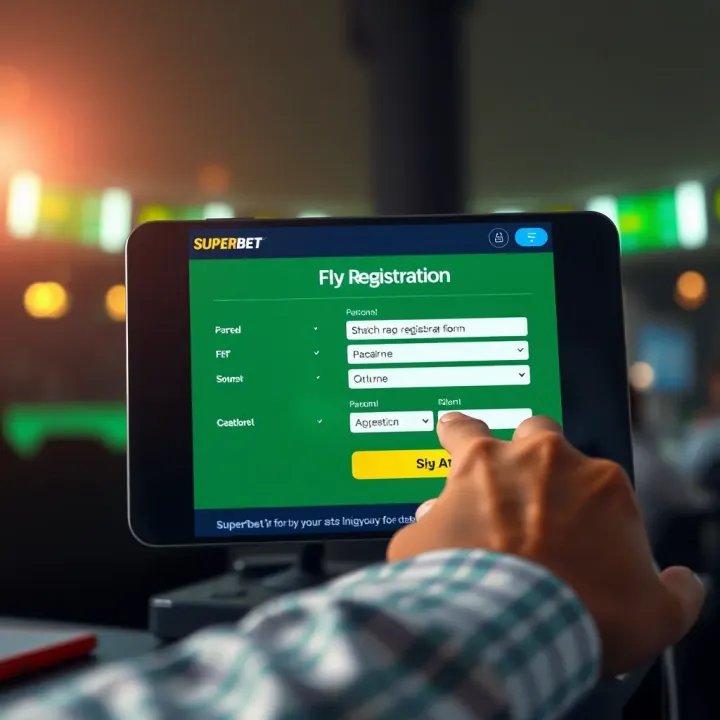
📝Learn all about the Superbet registration process in Nigeria! Get step-by-step instructions, verify your account, fix common sign-up issues, and stay safe while betting.🎯
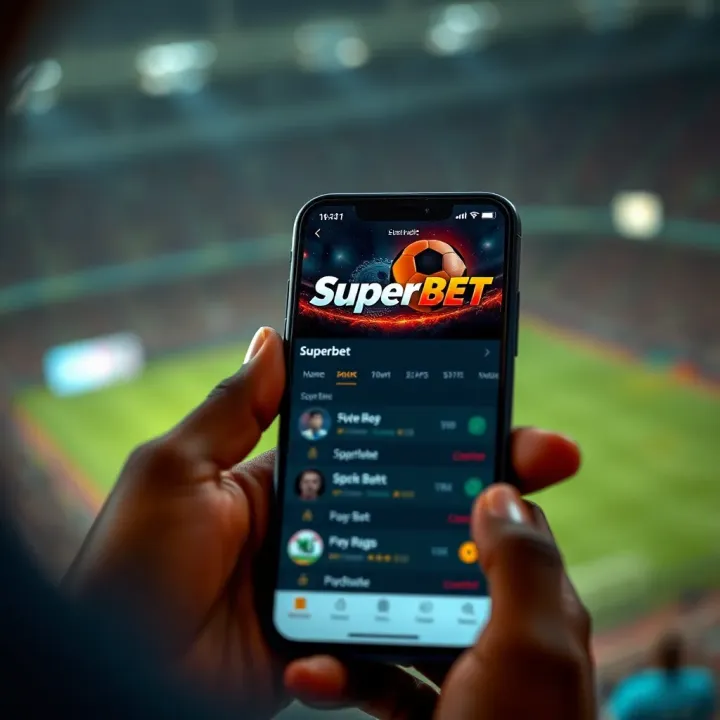
🎯 Explore Mobile Superbet for Nigerian users: easy app installation, secure payments in ₦, live sports betting, top tips, plus challenges to watch out for! 📱⚽
Based on 7 reviews