
How to Register on Superbet Nigeria: Step-by-Step Guide
Ready to start betting? This guide shows Nigerian users how to register on Superbet 📲 with easy steps, verification tips 🔒, safety advice, and how to avoid common issues.
Edited By
Bisi Adebayo
SuperBet was once a prominent name in Nigeria’s sports betting industry, attracting a sizeable customer base with its competitive odds and user-friendly platform. However, over time, the brand experienced a steady decline that has puzzled many bettors and industry watchers.
The decline didn’t happen overnight. It was a mix of regulatory hurdles, fierce competition, and operational challenges that gradually chipped away at SuperBet’s stronghold. This situation left many customers frustrated, as withdrawal delays and reduced market offerings became common complaints.
One major factor was the tightening of regulations by the National Lottery Regulatory Commission (NLRC) and the Federal Competition and Consumer Protection Commission (FCCPC). Increased scrutiny on licensing and tax compliance imposed additional costs and operational burdens on SuperBet, unlike some of their agile competitors who swiftly adapted.
Besides regulation, SuperBet struggled to keep up with the rapid growth of other major players like Bet9ja and NairaBET. These rivals invested heavily in marketing, technology upgrades, and localised promotions, which helped them capture more eyeballs and betting wallets. Meanwhile, SuperBet’s slow response to customer experience improvements made it less attractive.
There were also internal issues at play. Reports of technical glitches on the SuperBet app and website, coupled with poor customer service response times, eroded trust. The company’s failure to prioritise a smooth user experience led some bettors to look elsewhere, where platforms were more reliable and payouts quicker.
These operational struggles combined with external pressures created a downward spiral from which SuperBet has yet to fully recover.
Overall, SuperBet’s decline illustrates the fiercely competitive and evolving nature of Nigeria’s sports betting sector. Staying compliant, investing in technology, and valuing customer satisfaction remain essential for operators to remain in the game. Next sections will explore each of these factors in detail to understand how SuperBet once held the crown and why it lost it.
Understanding SuperBet's rise is essential to grasp the full picture of its recent decline. This section lays the foundation by explaining how the brand entered and expanded within Nigeria’s crowded sports betting market. Knowing the strategies and market position that once made SuperBet a notable player helps readers see what changed and why.
SuperBet made its debut in Nigeria during the early 2010s, at a time when the country's sports betting industry was still finding its feet. The company positioned itself with a fresh and appealing brand identity, focusing on offering user-friendly platforms and attractive odds. This approach helped it carve out a niche quickly. For instance, its early marketing heavily targeted youth in urban centres like Lagos and Abuja, aligning with local interests such as football and popular national leagues.
The branding was not just about visibility but also about building trust, which is vital in Nigerian betting circles where customer confidence can make or break a company. SuperBet’s efforts to sponsor local events and grassroots football played a role in reinforcing this trust, connecting the brand closely to Nigerian sports culture.
SuperBet implemented deliberate strategies to grow beyond Lagos and Abuja into secondary cities and states such as Kano, Port Harcourt, and Enugu. It combined aggressive agent network expansion with community engagement programmes, working through local betting shops and mobile platforms tailored for areas with lower internet penetration.
Such regional focus helped SuperBet tap into diverse markets with different betting preferences and economic capacities. Their mobile app supported multiple Nigerian payment options, integrating systems like USSD and bank transfers with providers such as GTBank and Access Bank, making it easier for bettors across states to place bets despite infrastructural challenges.
At its peak, SuperBet commanded a solid portion of Nigeria's active bettors, reaching into the hundreds of thousands. It distinguished itself by catering not only to seasoned bettors but also novices through educational campaigns on how betting works and responsible gambling.
This inclusive approach expanded its customer base across income brackets, from university students seeking quick wins to low-to-middle-income earners who frequented physical retail outlets. The resulting market share positioned SuperBet among the notable sports betting operators before competitors intensified their presence.
SuperBet’s competitive edge rested on its balance between a strong retail presence and a growing digital platform. While international competitors focused more on online services, SuperBet's wide network of agents and shops ensured accessibility even for users without smartphones or steady internet.
Besides, its promotional offers, like tailored bonuses during major football events such as the Nigerian Professional Football League (NPFL) matches, kept users engaged and loyal. These strategies offered a practical edge in a market where customer loyalty often fluctuates due to better offers from rivals.
The early growth and market positioning of SuperBet demonstrate that success in Nigeria's betting industry requires a mix of local understanding, broad accessibility, and trust-building — lessons that remain relevant even as the market shifts.
This overview sets the stage to better understand the challenges that eventually put SuperBet on a downward trajectory.
Understanding why SuperBet faltered is essential for grasping the challenges Nigeria's sports betting operators face today. Several intertwined factors pushed the brand from prominence to struggle. This section breaks down key elements — regulatory hurdles, stiff competition, and operational flaws — that contributed to its decline.
SuperBet ran into trouble by failing to meet certain regulatory requirements set by Nigerian authorities. The National Lottery Regulatory Commission and other agencies tightened controls over betting companies, demanding stricter adherence to licensing rules, tax remittances, and customer protection measures. When SuperBet allegedly fell short, it faced warnings and fines, shaking player confidence. For example, delayed tax payments or inaccurate reporting to tax agencies such as FIRS raised red flags, putting the company under scrutiny.
Licensing issues directly affected SuperBet’s business continuity. When authorities flagged lapses, SuperBet experienced interruptions in some states, leading to restricted betting activities. Such disruptions not only cost revenue but also damaged the brand’s reputation. Players quickly turned to rivals with clean regulatory records. The inability to secure or renew clear licences in time forced SuperBet to scale down operations, limiting service availability across the country.
Nigeria’s booming betting market attracted both homegrown and foreign players with aggressive growth strategies. Platforms like Bet9ja, Merrybet, and international names such as Betway rolled out enticing offers, slick user interfaces, and reliable services. SuperBet found it tough to keep up with their marketing spend and technological upgrades. Local firms increasingly demonstrated in-depth understanding of Nigerian bettors’ preferences, putting SuperBet at a disadvantage.
With alternatives readily available, many loyal SuperBet users switched to competitors offering better odds, smoother payment systems, or faster withdrawals. Word of mouth about service lapses further accelerated this shift. Losing active users steadily reduced SuperBet’s market share. The challenge was compounded as new entrants tapped digital payment options—like Quickteller and Paystack—that aligned better with Nigerian fintech trends.
One of the most damaging issues was SuperBet’s failure to process payments promptly. Customers complained of long delays in withdrawing winnings, sometimes stretching to weeks. Such delays hurt player trust and discouraged new sign-ups. In the country's context—where cash liquidity matters deeply—wagers can be lost to rival platforms offering instant or same-day payouts.
Behind the scenes, SuperBet reportedly faced mismanagement and poor organisational controls. Ineffective leadership slowed decision-making and response to market changes. Reports of lack of clear accountability within departments led to operational inefficiencies. For instance, failure to streamline onboarding or handle customer complaints quickly added to user frustration. These internal faults compounded external pressures, trapping SuperBet in a downward spiral.
SuperBet's decline wasn't caused by a single event but a mix of legal troubles, fierce competition, and messy operations that chipped away at its foundation over time.
These factors highlight why SuperBet lost its footing in Nigeria's dynamic sports betting scene, offering lessons for both operators and bettors about the fragile balance between regulation, service, and market relevance.
Understanding how SuperBet's slump affected its customers helps shed light on why the brand's decline matters beyond just the business itself. For many Nigerian sports bettors, SuperBet wasn’t just another platform; it was a trusted avenue for entertainment, earnings, and community interaction. When a major player like SuperBet faces troubles, its customers often bear the brunt, grappling with financial uncertainties and service disruptions.
One of the most glaring problems during SuperBet's downfall was the delay or non-payment of winnings. Bettors complained of stakes won in legitimate bets remaining unpaid for weeks or entirely missing from their accounts. For instance, some winning customers reported waiting over a month for withdrawal approvals, while others said their efforts to cash out were met with silence or automatic declines. This kind of payout disruption is not just financially damaging but shakes the very trust that bettors place in a platform.
Along with payout issues, SuperBet customers struggled to get timely and clear responses from support teams. Many accounts painted a frustrating picture where complaint channels were overwhelmed or appeared unresponsive. Some customers resorted to social media to vent frustrations after their emails or calls went unanswered. Without accessible and effective customer service, users felt stuck and helpless, which reinforced dissatisfaction and pushed them to seek alternatives.
As trust waned in SuperBet, many bettors began migrating to other operators like BetKing, Nairabet, and Bet9ja. These platforms offer quicker withdrawals, more transparent customer support, and constant tech innovation, which makes them attractive options. For example, a Lagos-based bettor explained that he switched after SuperBet failed to pay winnings on a popular EPL match, finding smoother transactions and ongoing promotions on alternative sites. This shift highlights how crucial reliability is for retaining customers in Nigeria’s fiercely competitive betting space.
Beyond individual payouts, SuperBet's troubles dented broader confidence in its brand across Nigeria. Betting enthusiasts became cautious, fearing similar payment or service hiccups. This scepticism didn’t just affect SuperBet but cast shadows on Nigerian sports betting platforms generally, where concerns about fraud and unfair practices are already present. As a result, some bettors even reduced their stakes or opted out entirely, impacting overall market liquidity and engagement.
The decline of SuperBet serves as a clear reminder that customer trust, solid payouts, and responsive service are the backbone of a sustainable sports betting business in Nigeria.
To rebuild, it’s clear that platforms must prioritise smooth financial operations and attentive customer care to meet the expectations of Nigeria’s savvy bettors.
Understanding SuperBet's current standing and future prospects is vital for bettors, investors, and industry watchers who want to gauge where the brand is headed. This section sheds light on the company’s ongoing activities amid its decline and assesses if it can reclaim lost ground or exit the market permanently.
SuperBet still operates in several key Nigerian states, though its footprint has considerably shrunk from its previous nationwide presence. It maintains a foothold in states like Lagos, Rivers, and Abuja, where sports betting demand remains high. These areas continue to receive focused attention because of their dense population and robust betting markets.
This selective regional presence is practical for SuperBet as it allows distilled resource investment and reduces operational costs in less profitable states. For bettors in these regions, SuperBet still offers a place to wager, but the limited geography reflects its reduced market influence compared to competitors like Bet9ja and NairaBET.
Currently, SuperBet offers the standard suite of betting options: pre-match bets, live betting, and virtual games. However, their promotional offers have become less frequent and less competitive compared to rivals. The once attractive welcome bonuses and loyalty schemes have either been scaled down or phased out.
This decline in promotions impacts customer re-engagement and retention. In a market where players often chase bonuses and value-added offers, SuperBet’s conservative approach risks further customer erosion. Still, for existing users, the platform provides a reliable experience without too many frills, which may suit traditional bettors valuing consistency over flashy deals.
The Nigerian sports betting scene grows increasingly competitive with new entrants adopting tech-savvy approaches and broader marketing. Rising customer expectations for seamless app interfaces, quick payment methods, and aggressive bonus campaigns have shifted the playing field.
Additionally, regulatory bodies have tightened controls, pressing operators to comply strictly or face stiff sanctions. The overall trend leans toward consolidation, favouring operators with deep pockets and strong tech infrastructure.
These industry currents make it tough for SuperBet to bounce back unless it significantly adjusts its strategy.
For SuperBet to stage a comeback, rebuilding trust through transparent payment systems and improved customer service is paramount. Reintroducing targeted promotions that resonate with Nigerian bettors, such as cashback offers during major football tournaments like the NPFL or the English Premier League, could rekindle interest.
Investing in mobile app development for smoother user experience and partnering with local fintech firms like Flutterwave or Paystack could streamline deposits and withdrawals. Also, strategic regional expansion focusing on underserved states might unlock new growth without overstretching resources.
A focused recovery plan blending operational efficiency with customer-centred innovations remains SuperBet's best shot at survival in Nigeria’s fierce betting market.
Ready to start betting? This guide shows Nigerian users how to register on Superbet 📲 with easy steps, verification tips 🔒, safety advice, and how to avoid common issues.
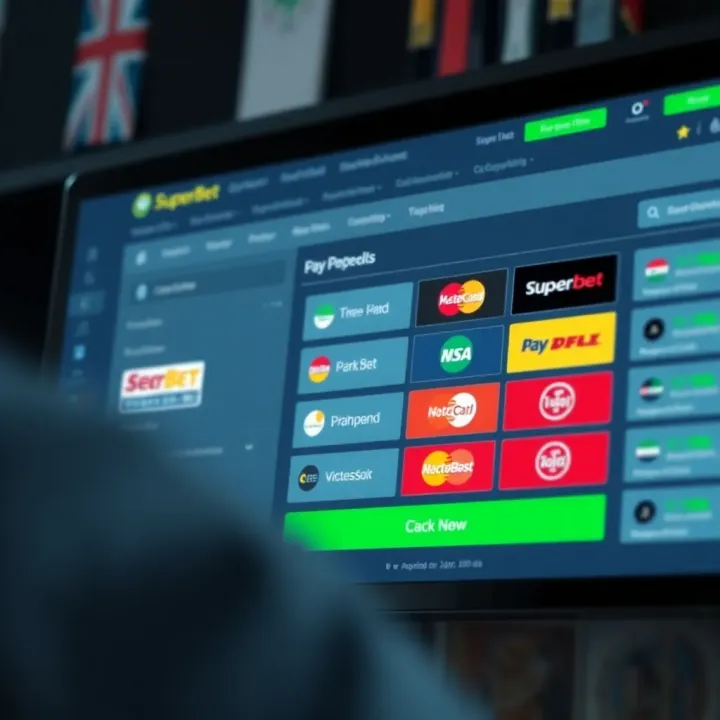
Learn how to easily deposit on SuperBet 🇳🇬. Step-by-step guide on payment methods, setup tips, and avoiding common hiccups while securing your ₦ funds ⚽💰.
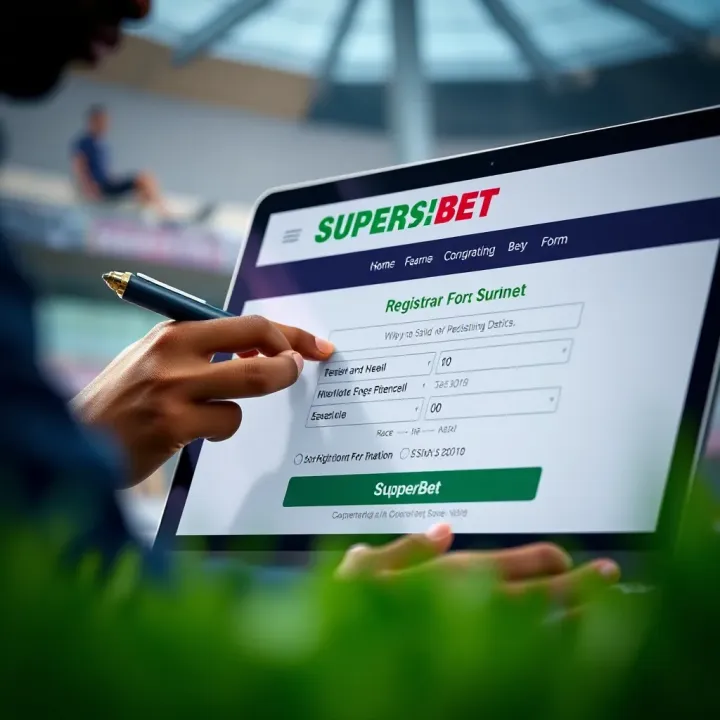
🔑 Learn how to register for Superbet Nigeria with our step-by-step guide! From account setup to verification and first deposit, start betting confidently today ₦.
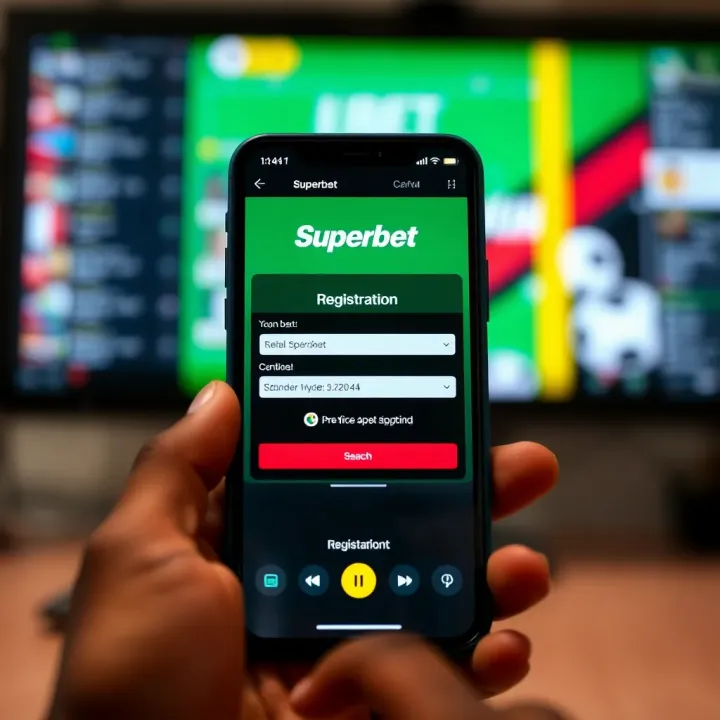
🎯 Want to register on Superbet in Nigeria? Discover step-by-step guidance for signing up, verifying your account, and navigating mobile or desktop platforms safely. 📱💻
Based on 13 reviews