
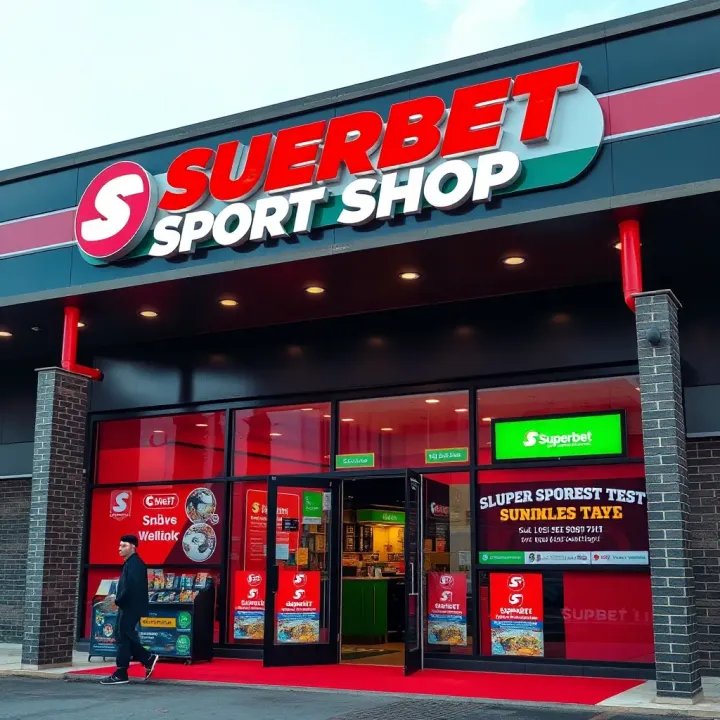
Inside Superbet Sport Shop: What You Should Know
Discover Superbet Sport Shop 🏟️, where Nigerian bettors enjoy diverse betting options, easy payments 💳, exciting perks 🎉, and safe, regulated sports betting 🛡️.
Edited By
Emily Hughes
SuperBet shops have been a familiar sight in Nigerian cities and towns since the early 2010s. Long before online sports betting surged, these physical outlets offered a straightforward way for many Nigerians to engage with the growing betting industry. The shops stood out as convenient neighbourhood hubs where bettors could place wagers, check results, and cash out winnings without needing smartphones or internet access.
The brand gained traction by establishing widespread locations, especially in commercial neighbourhoods where foot traffic from workers, students, and small traders was high. SuperBet’s model relied on accessible storefronts staffed by agents who guided customers, many meeting them face to face rather than through impersonal apps. This approach built trust in a society where digital literacy was uneven and cash transactions remained dominant.
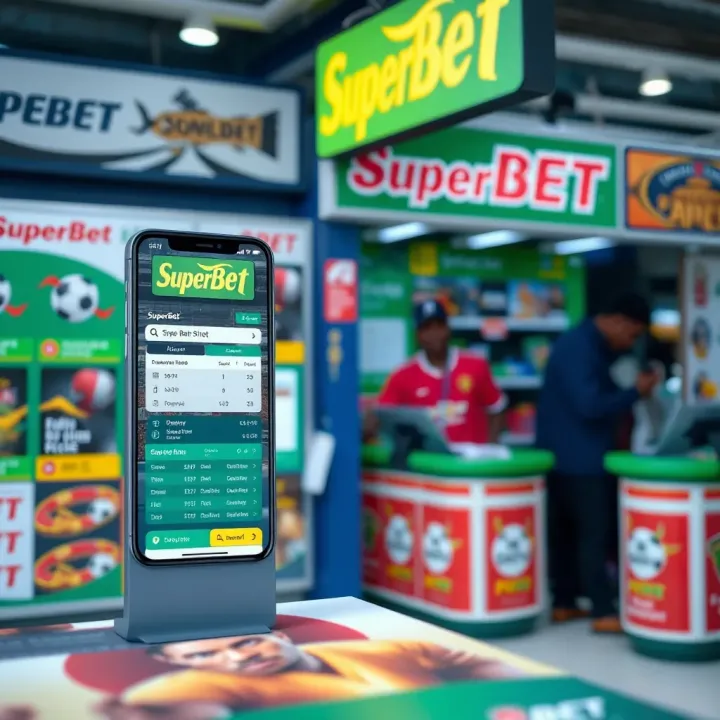
Over time, the betting landscape in Nigeria evolved rapidly with better smartphone penetration and expanding fintech solutions like Paystack, Flutterwave, and Kuda. While online platforms offered quick bets anytime, physical shops like SuperBet continued to attract patrons who preferred direct human interaction or were limited by internet connectivity. Their resilience highlighted the hybrid nature of Nigerian bettors’ habits — blending tradition with tech.
Despite shifts towards digital, SuperBet’s physical shops remain relevant by catering to customers who value authenticity and immediate support, especially in smaller towns where internet access is patchier.
Challenges have come along the way, from regulatory adjustments by the Lagos State Lotteries Board to stiff competition from mobile-first brands. Still, SuperBet has adapted by integrating USSD codes and mobile wallets, reducing reliance on cash and expanding service options. This flexibility helps maintain their solid base even as giants like Bet9ja and NairaBET push deeper into digital territory.
This opening overview sets the stage for understanding how SuperBet’s early strategies shaped its foothold, how it faces current industry pressures, and what future betting might look like for Nigeria’s diverse players — both in physical shops and online.
Understanding the origins and early days of SuperBet shops sheds light on how the brand carved its place in Nigeria’s vibrant betting industry. These initial stages reveal the foundation on which SuperBet built its reputation and customer base, shaping the betting culture that still influences the sector today.
SuperBet was launched in the early 2010s, a period that saw a surge in sports betting interest across Nigeria. Unlike many competitors that started primarily as online platforms, SuperBet began as a physical shop, strategically positioned in busy urban locations like Lagos Island and Ikeja. These shops quickly gained traction by offering a direct, accessible betting experience. For many Nigerians uncomfortable with online transactions or digital literacy challenges, the physical shops provided a simple, face-to-face option.
The founders understood the need to meet the market where most people congregated — markets, motor parks, and commercial hubs. For example, a SuperBet shop close to the Oshodi motor park attracted daily commuters who could place bets casually while waiting for their danfo or okada. This practical approach helped establish a loyal client base that valued the convenience and personal touch.
Physical betting shops like SuperBet played a major role in popularising sports betting across Nigeria. They served as focal points for community engagement, where customers not only placed bets but also exchanged tips and discussed ongoing matches. This social element gave betting a local flavour, distinct from the isolated experience of online platforms.
Moreover, physical shops addressed payment barriers. Many Nigerians, particularly outside Lagos and Abuja, lacked access to consistent internet or convenient online payment methods. SuperBet shops accepted cash and popular local payment options, including POS cards and mobile money transfers, catering to a broad demographic.
Physical betting shops provided an entry point for many Nigerians into the sports betting world, offering familiarity, trust, and easy access during the early years of the industry’s growth.
Physical shops also complied with licensing and regulatory frameworks managed by state authorities, securing trust and legitimacy in a market often wary of fraud. These shops became vital hubs in Nigeria’s sports betting ecosystem, spurring increased sports engagement and creating jobs across urban and semi-urban communities.
In sum, the early days of SuperBet shops combined strategic physical locations, customer-focused services, and social interaction, laying down a foundation that helped the brand grow steadily even as digital betting started gaining ground.
SuperBet's growth across Nigeria reflects the brand's adaptability and keen understanding of local demand for sports betting. As more Nigerians show interest in football and other sports, SuperBet strategically expanded to keep pace with this rising enthusiasm. This growth underscored its role as a major stakeholder in Nigeria’s betting landscape, making its physical shops accessible to a wider audience.
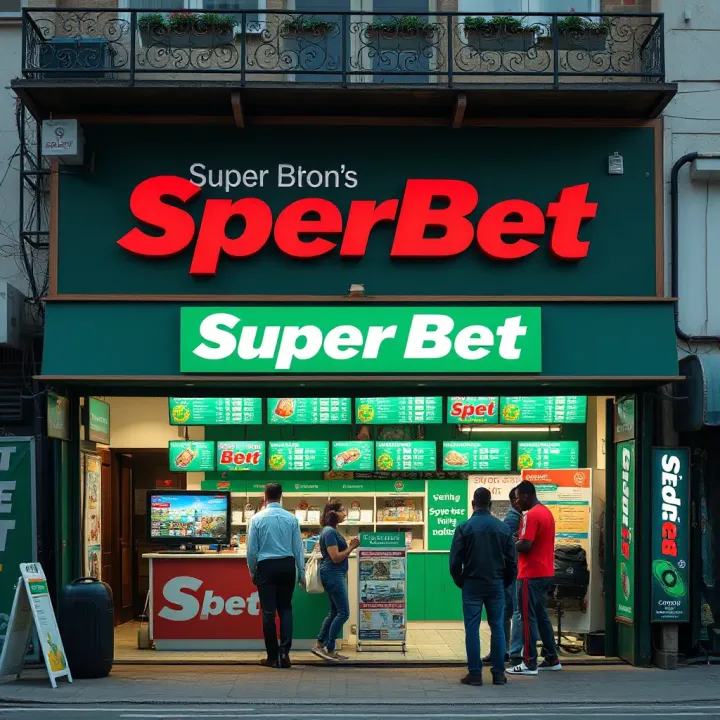
SuperBet has firmly established itself in key urban centres such as Lagos, Abuja, Port Harcourt, and Kano. Lagos alone hosts dozens of SuperBet shops, particularly in bustling areas like Ikeja, Yaba, and Festac, where foot traffic is heavy. The choice of these locations was no accident; many of these cities have vibrant youth populations and strong sports followings, ideal for physical betting shops.
Expanding into secondary towns like Akure, Ilorin, and Enugu also allowed SuperBet to tap into new markets where online betting might still be limited by internet access or low smartphone penetration. For example, opening a shop near the university areas in Enugu created a steady flow of young bettors who prefer the social atmosphere of physical betting shops over digital platforms. This spread is important because it ensures SuperBet maintains brand visibility and relevance beyond just the major metropolitan hubs.
SuperBet’s target customers primarily include young urban males, aged 18 to 35, with a keen interest in football and other popular sports. This demographic often combines tech-savvy behaviour with a desire for in-person interaction, making physical shops the go-to places for placing bets, socialising, and getting real-time updates.
Marketing strategies have focused on local engagement and grassroots visibility. On-the-ground campaigns often involve sponsoring local football tournaments, collaborating with popular influencers in the sports space, and running promotions during big events like the Nigerian Professional Football League or the English Premier League season. For instance, SuperBet leverages match-day odds and bonus offers promoted directly at shops, encouraging walk-in customers.
Additionally, flyers and branded merchandise like jerseys and caps circulate in areas with high foot traffic. The use of eye-catching signage, especially near market places and motor parks, further ensures that SuperBet shops stay noticeable to potential customers.
Expanding strategically across Nigerian cities helped SuperBet grow not just in numbers but in local trust and brand loyalty, critical in an industry driven by community connections.
This deliberate expansion and targeted marketing helped SuperBet compete effectively with other bookmakers by meeting customers where they are, combining convenience with community.
SuperBet shops remain a key physical touchpoint for many Nigerian bettors, combining traditional betting practices with evolving customer needs. Understanding how these shops operate sheds light on the betting culture and practical day-to-day experiences of users nationwide. This section unpacks the betting options available, the payment systems they rely on, and the social environment these shops create.
SuperBet shops offer a range of betting options tailored to different kinds of punters. Football markets dominate, reflecting Nigeria’s passion for the sport. Customers can bet on outcomes like match winners, scorelines, first goal scorers, and over/under goals. Interestingly, the shops sometimes provide more niche bets such as half-time/full-time results or accumulator bets combining multiple matches for bigger potential returns.
Aside from football, Nigerian bettors can place wagers on basketball, tennis, and even local events like the Nigerian Professional Football League matches. These shops often display updated odds on large boards to help punters make quick decisions. The variety ensures punters from casual fans to seasoned bettors find suitable games.
One major advantage of SuperBet shops is the ease of cash transactions. Bettors typically pay directly to the cashier in Naira, which is convenient given the irregular access to digital payments in parts of Nigeria. Some shops also accept mobile money options, including payments via popular platforms like OPay or Flutterwave to ease deposits and withdrawals.
Through integrating Bank Verification Number (BVN) and mobile wallets, these shops align with Nigeria’s wider fintech growth. Still, many punters prefer cash for quick bets to avoid network issues or delays. Receipt issuance after bets offers proof and peace of mind, reducing disputes over payouts or stakes.
Stepping into a SuperBet shop often means more than just placing a bet — it’s a communal experience. These shops serve as social hubs where people share opinions on upcoming matches, discuss strategies, or simply catch up on the latest sports gists. For many, this social interaction makes betting more engaging than a solitary online experience.
The shop attendants also play a part. They assist with placing bets, explain odds, and sometimes give tips based on their knowledge. The face-to-face service builds trust, which is crucial in regions where digital literacy or internet access may limit online betting use.
Physical shops like SuperBet combine traditional Nigerian social culture with betting, creating a unique customer experience that online platforms find hard to replicate.
In summary, SuperBet’s physical outlets operate by offering varied betting markets, flexible payment options adapted to local realities, and fostering active community engagement. Any bettor in Lagos, Abuja, or Port Harcourt knows that the shop is as much a place for socialising as it is for wagering. This blend has helped SuperBet maintain relevance even as digital betting grows.
SuperBet shops have navigated a range of challenges since their inception, shaping their current position in Nigeria's betting industry. Understanding these difficulties sheds light on why physical betting outlets face stiff competition and what strategies they must adopt to stay relevant. From shifting consumer habits to regulatory demands and high operational costs, these hurdles have forced SuperBet to adapt repeatedly.
The rise of online betting platforms has posed significant threats to physical betting shops like SuperBet. Digital apps and websites offer convenience unavailable in traditional outlets—bettors can place wagers from anywhere, anytime, often with better odds and bonuses. OPay, BetKing, and Bet9ja are examples of platforms attracting vast numbers, especially young, tech-savvy Nigerians. This shift means SuperBet must innovate beyond simple in-shop betting to keep customers, facing pressure to develop mobile apps or partner with digital platforms.
Changing government regulations have also tested SuperBet’s resilience. The Nigerian Betting Commission and National Lottery Regulatory Commission frequently update licensing requirements, tax policies, and operational standards. For example, periodic increases in levies or taxes on betting stakes can squeeze profit margins. Compliance with anti-money laundering laws and customer identity verifications (like BVN checks) adds layers of complexity. Failure to meet regulatory expectations risks fines or licence revocation, forcing SuperBet to invest significantly in legal compliance and technology.
Running physical shops across Nigeria involves high operational costs and infrastructure constraints. Rent in business districts of Lagos or Abuja can run into hundreds of thousands of naira monthly. Power supply issues mean frequent use of generators, pushing fuel expenses higher. Employing staff, maintaining equipment, and handling cash securely all come with added costs. Poor road networks and traffic congestion sometimes limit customer footfall, especially as many prefer quick bets on mobile devices rather than trekking to shops. These factors combine to create tight margins and demand efficient management.
SuperBet’s ability to tackle these challenges hinges on blending physical presence with digital innovation, maintaining strong regulatory compliance, and controlling operational expenses.
To stay viable, SuperBet shops must continue evolving in response to online competition, tightening regulations, and the practical realities of operating in Nigeria’s urban centres. Their future relies on practical adjustments that meet the changing expectations of Nigerian bettors and the economic environment they operate within.
The betting landscape in Nigeria has changed drastically with the rise of digital technologies. SuperBet shops, once known solely for their physical outlets, have had to evolve quickly to keep up with the growing demand for online and mobile betting options. Understanding this shift is vital for bettors and business observers alike, as it highlights how traditional models adapt in a tech-driven market.
SuperBet's move into online and mobile platforms reflects a broader trend across Nigeria's betting industry. With smartphones becoming more affordable and internet penetration reaching deeper into urban and semi-urban areas, many bettors now prefer placing wagers through apps or websites. SuperBet launched its mobile app and revamped its website to offer live betting, instant odds updates, and easy account funding via popular Nigerian fintech services like Paystack and Flutterwave.
This shift isn't just about convenience; it broadens SuperBet's reach beyond the physical shops predominantly located in cities like Lagos and Abuja. For example, a bettor in Port Harcourt who once travelled to a SuperBet shop can now place a bet from their phone at any time, avoiding traffic jams and power outage frustrations common in urban Nigeria.
Despite the rise of digital betting, SuperBet has maintained its physical presence, recognising that many customers still value face-to-face interaction and trust. The company now integrates its shops with digital services, offering support for online account registration and transaction queries in-store. This hybrid model caters to both tech-savvy bettors and those less comfortable with digital-only platforms, especially older customers or those in areas with unstable internet.
In practice, SuperBet shops sometimes serve as hubs where bettors receive assistance with navigating the app or recovering lost account details. This blend of physical and digital channels strengthens customer loyalty and supports wider adoption of their mobile services.
While online betting captures the headlines, physical outlets like SuperBet shops are unlikely to disappear soon. High unemployment and cash-dependent economies mean many Nigerians still prefer paying in person. Moreover, issues such as unreliable power supply and inconsistent internet connectivity in some regions create a gap that physical shops fill effectively.
Looking ahead, SuperBet and other operators will probably continue developing their dual approach—expanding digital offerings while upgrading shop facilities for better customer experience. For instance, introducing electronic kiosks or digital betting terminals in shops could reduce waiting times and attract younger bettors.
In the Nigerian context, where technological access varies widely, a full digital takeover might be unrealistic right now. Instead, successful betting businesses will balance physical and online presence to serve a diverse clientele.
The evolution of SuperBet shops exemplifies the broader Nigerian betting sector's journey—adapting to new realities while holding on to traditional strengths. As digital adoption grows, those who navigate this balance well stand to benefit most.
Discover Superbet Sport Shop 🏟️, where Nigerian bettors enjoy diverse betting options, easy payments 💳, exciting perks 🎉, and safe, regulated sports betting 🛡️.
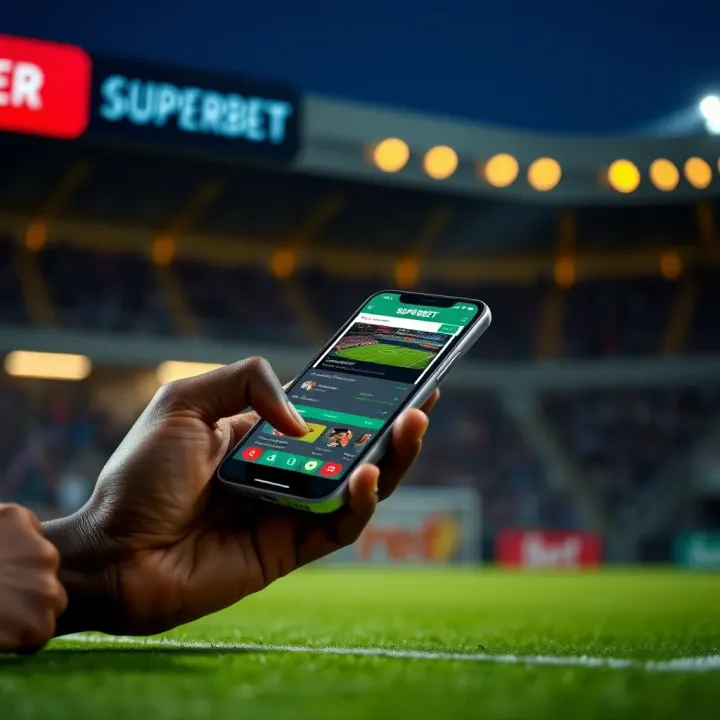
Learn how to book on Superbet online in Nigeria📱, find easy payment options, avoid common bet issues, and enjoy smooth betting from home with smart tips💡.
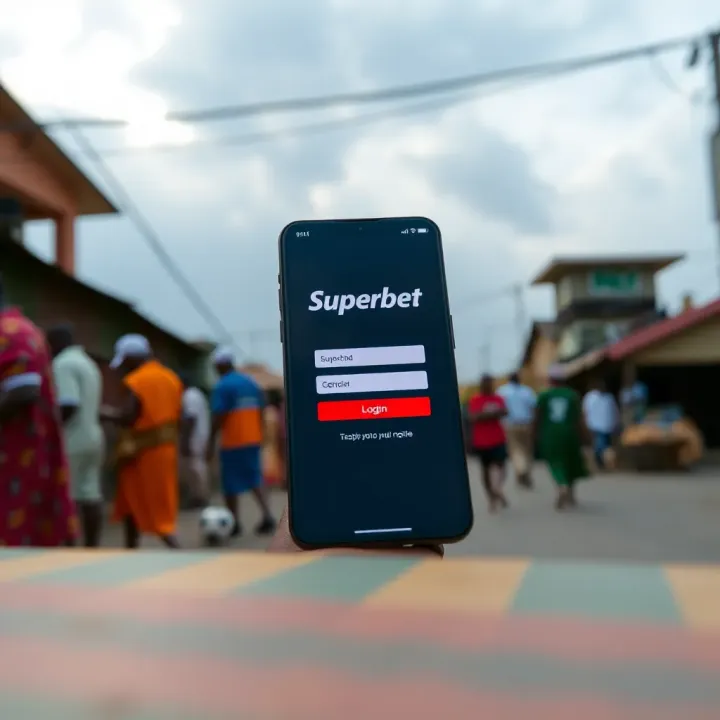
📱 Get all you need on how to log in to old Superbet mobile shop in Nigeria. Learn to fix common login issues and manage your account with ease today!
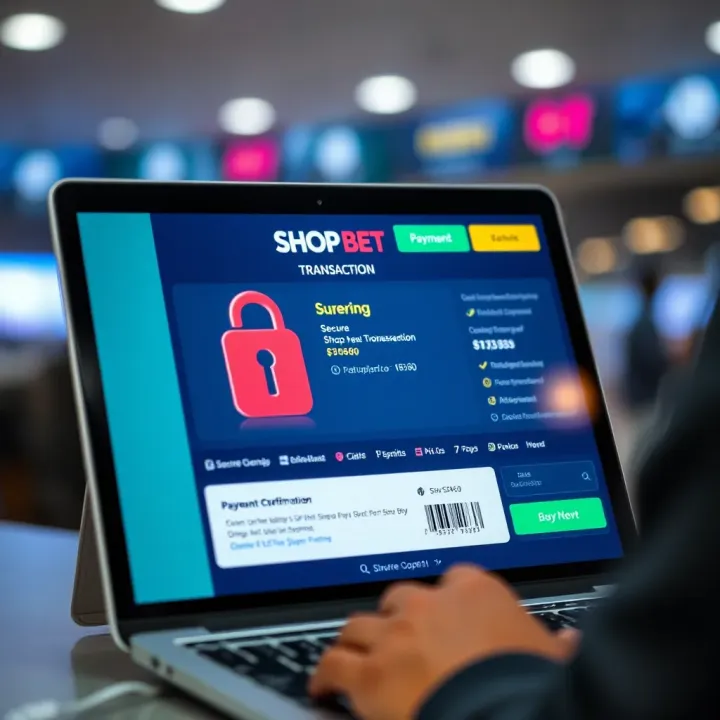
Discover how to start and win on Shop Bet Superbet ⚽ Nigeria’s go-to platform for secure bets, quick transactions, and tips to boost your earning game ₦!
Based on 10 reviews